
Fridge Cleaning
Team
Payment
What is included in the service?
- Fridges: Full interior and exterior cleaning of fridges, including shelves, drawers, and door seals. The service eliminates food residues, stains, and any unpleasant odors.
- Freezers: Thorough interior and exterior cleaning of freezers, including shelves, drawers, and door seals. The service removes ice buildup, food residues, stains, and lingering odors, restoring hygiene, freshness, and optimal appliance performance.
How to prepare your home?
- Provide access to electricity and water.
- Before cleaning, all food products should be removed from the refrigerator and the freezer, and magnets and personal belongings should be removed.
How long does the service take?
Why use professional cleaning?
What's the expected end result?

Previous cleanings
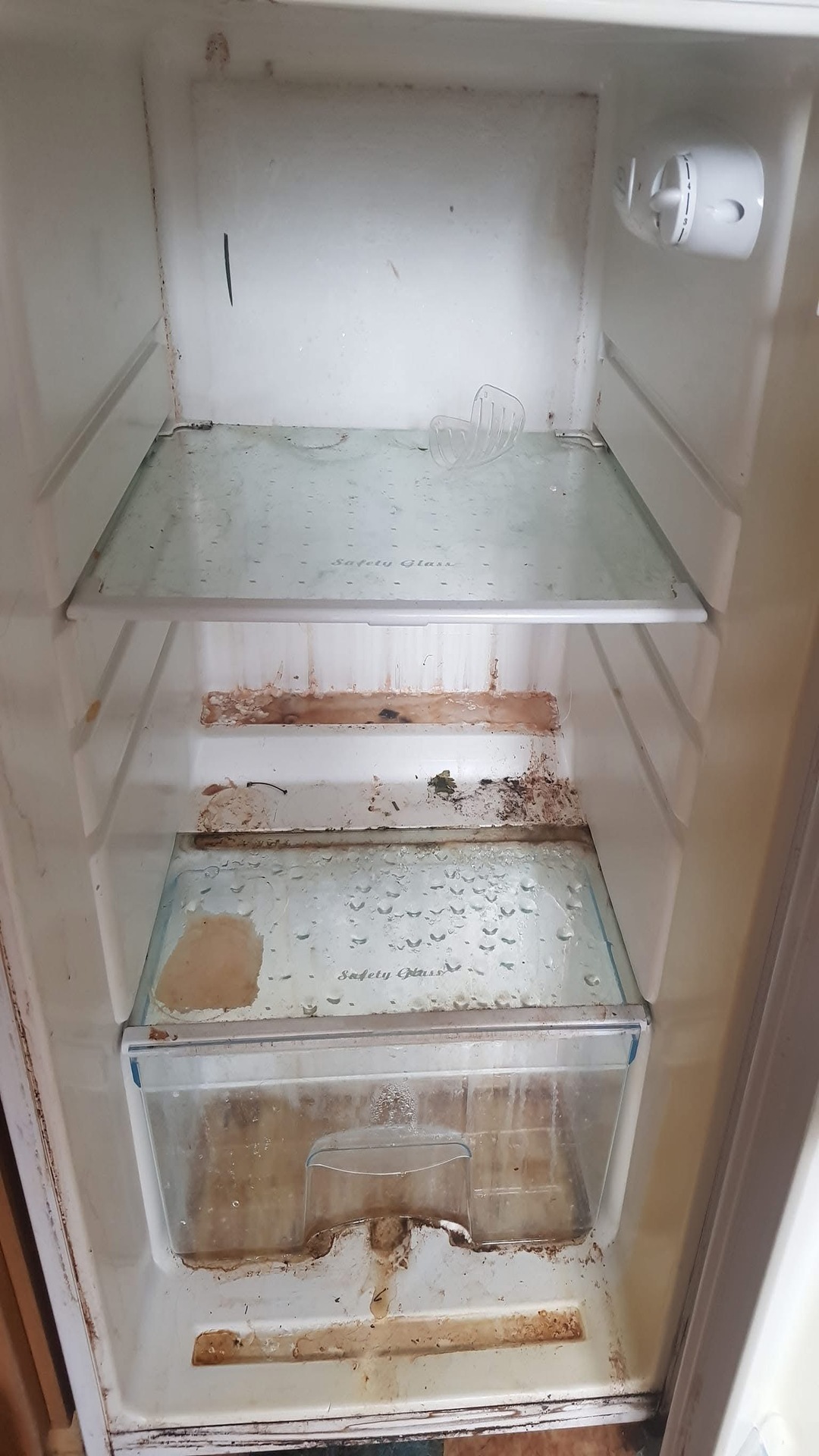
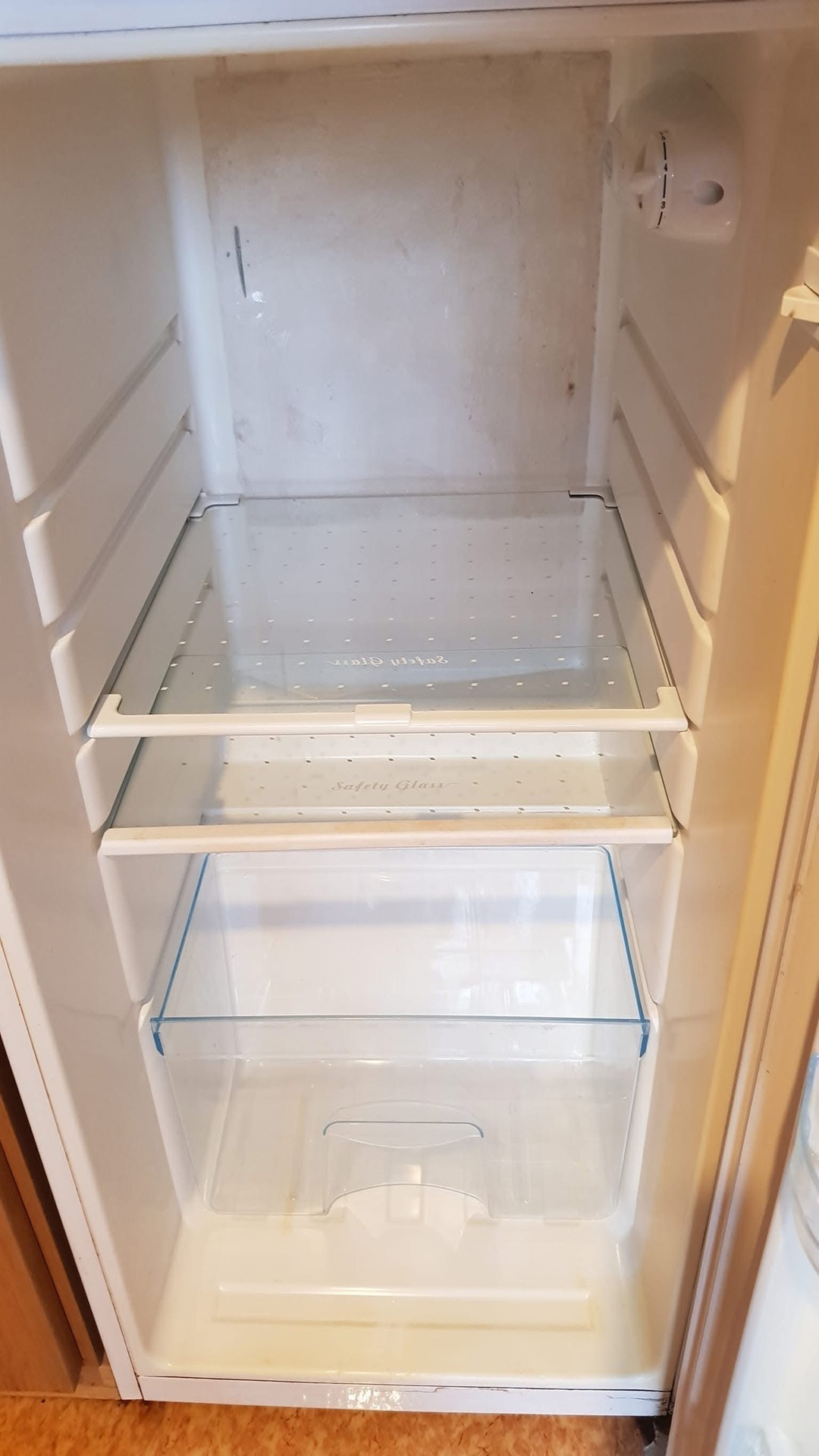
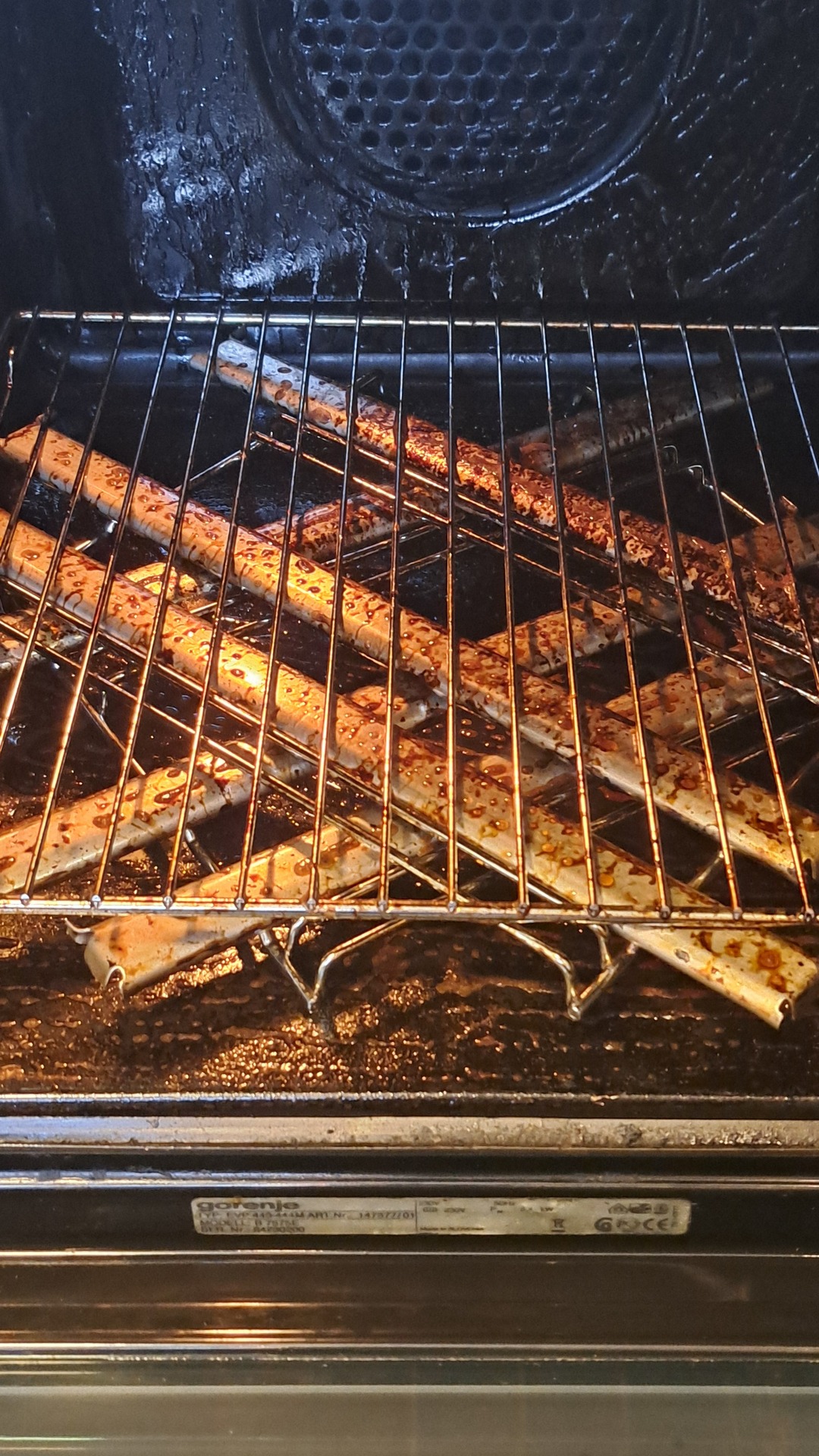
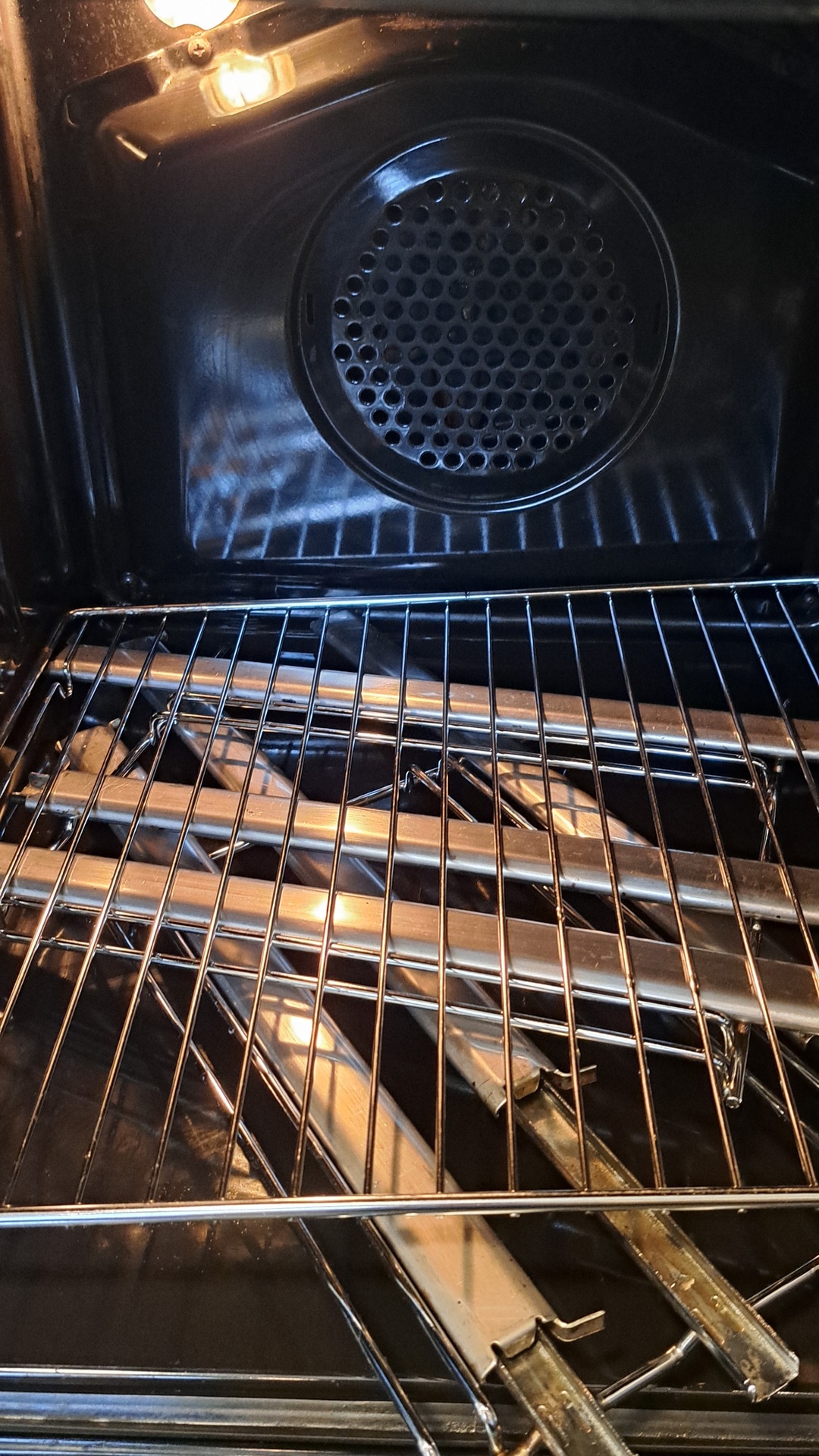
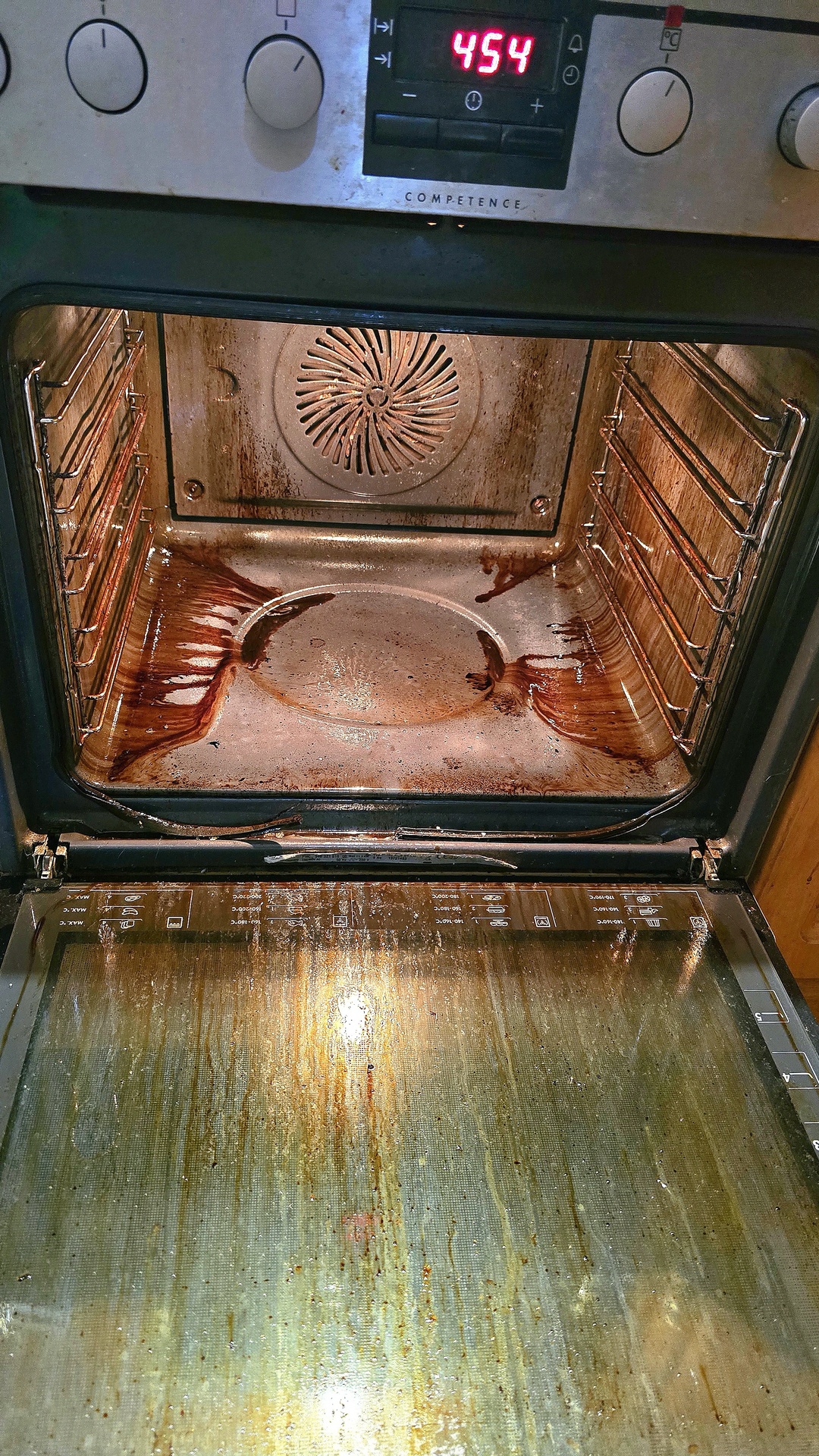
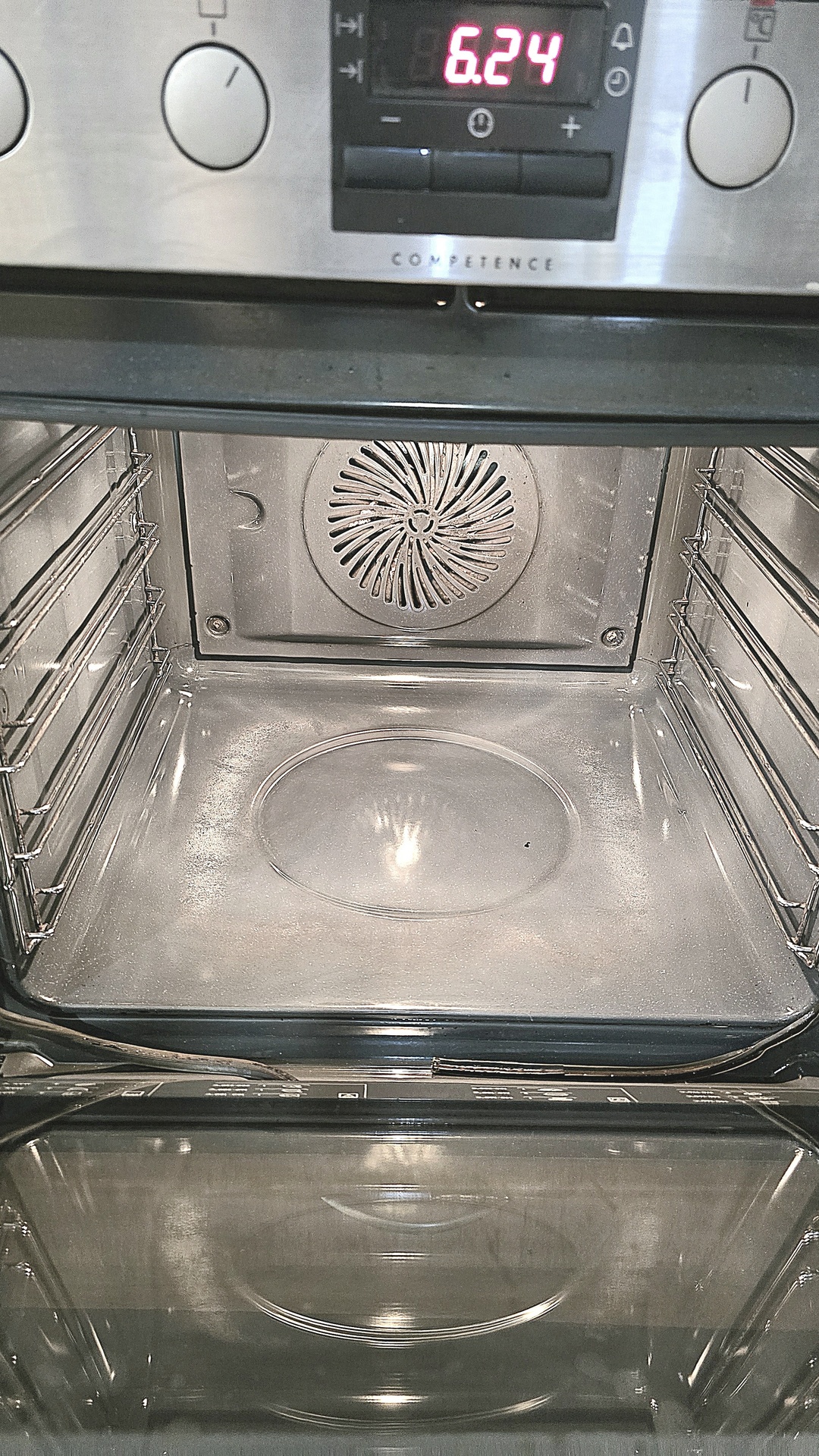
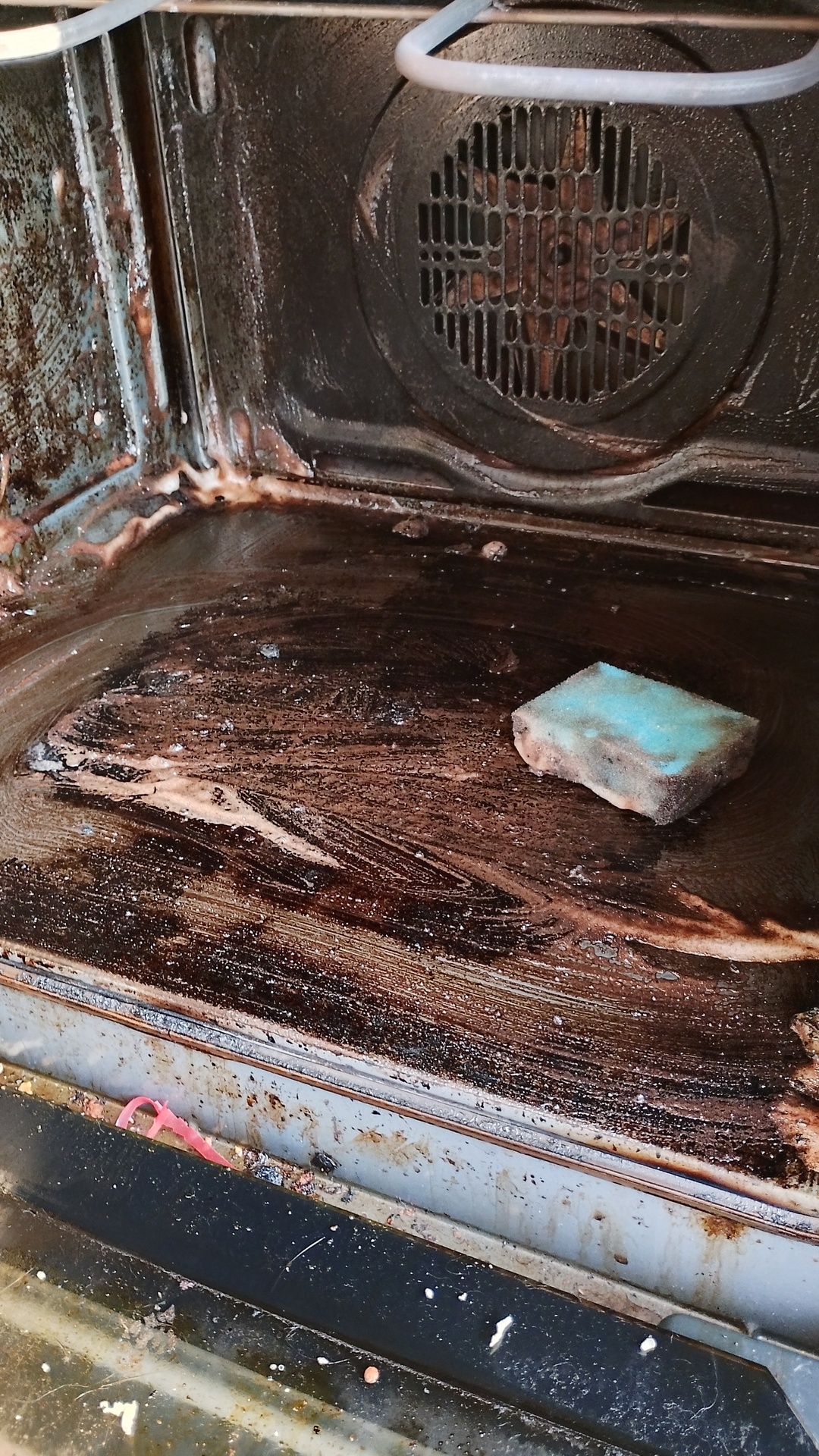
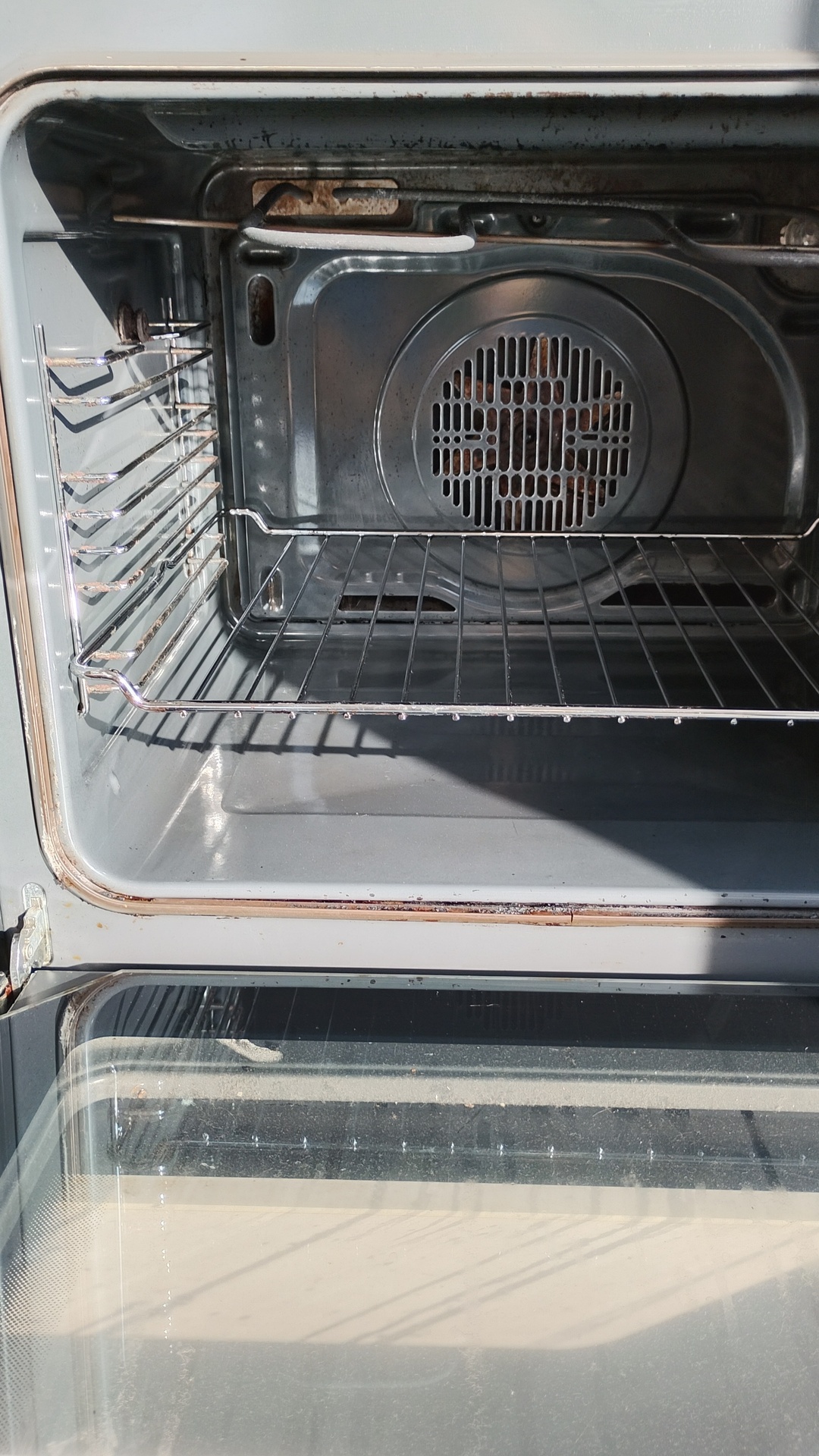
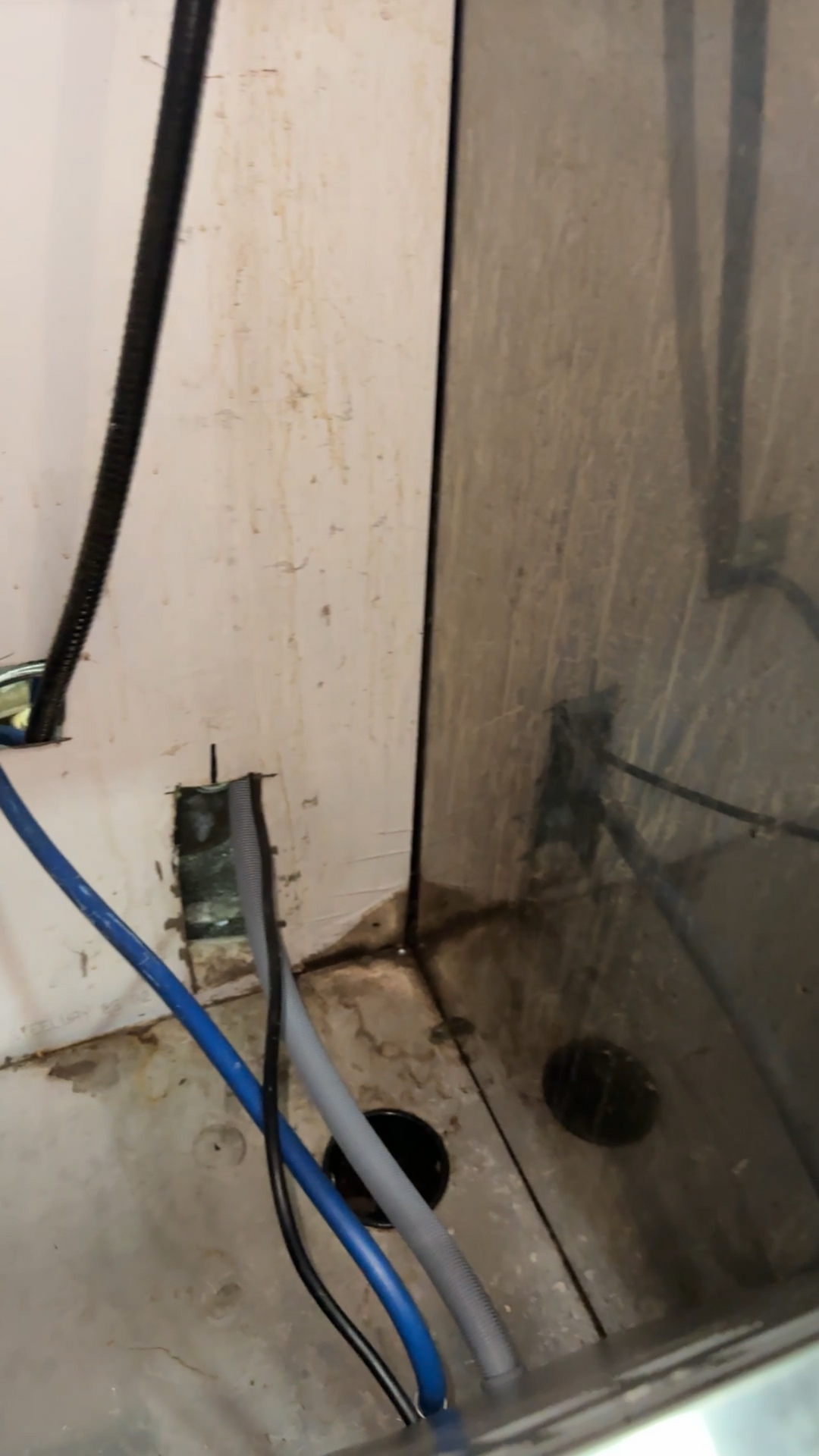
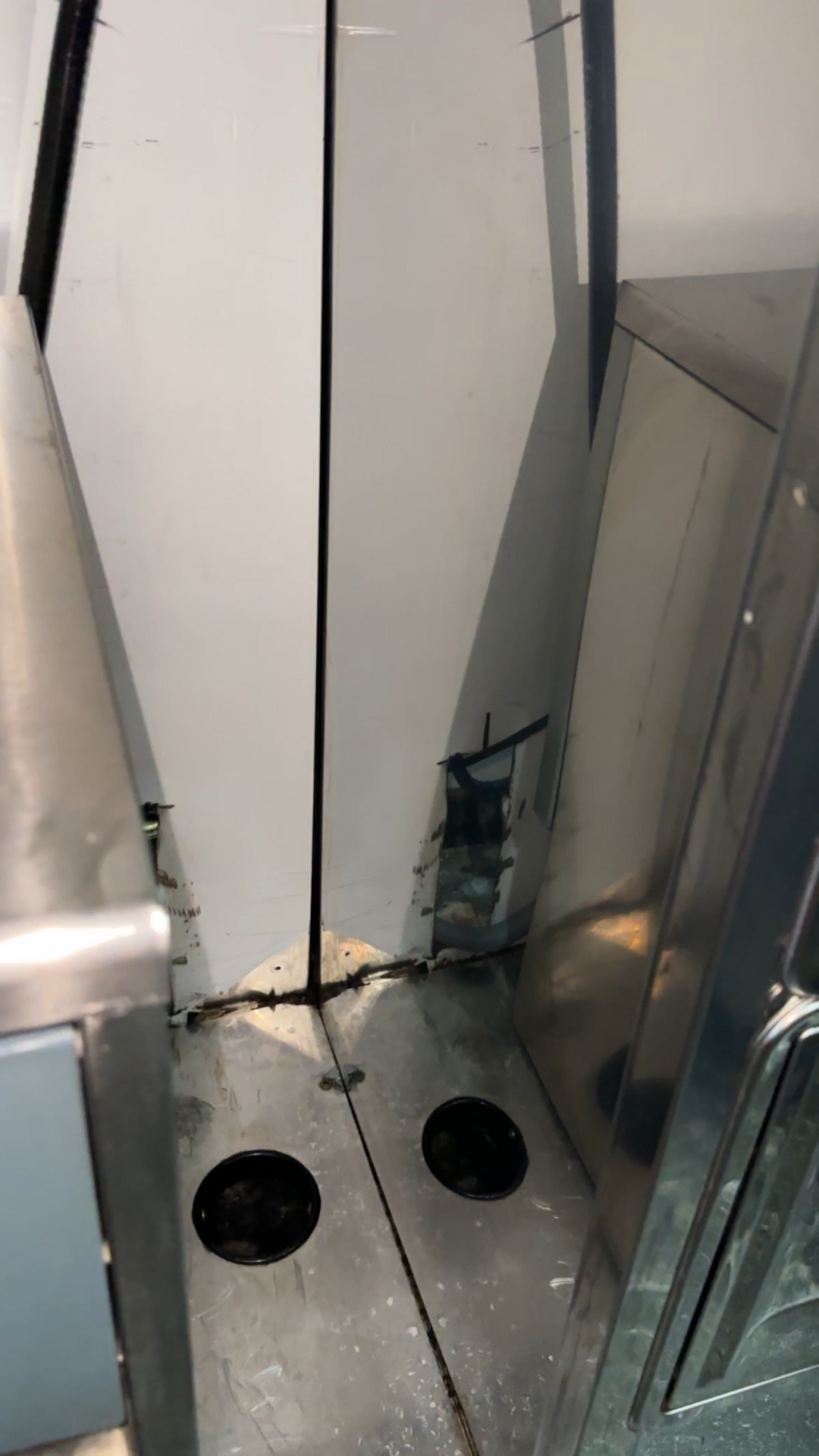
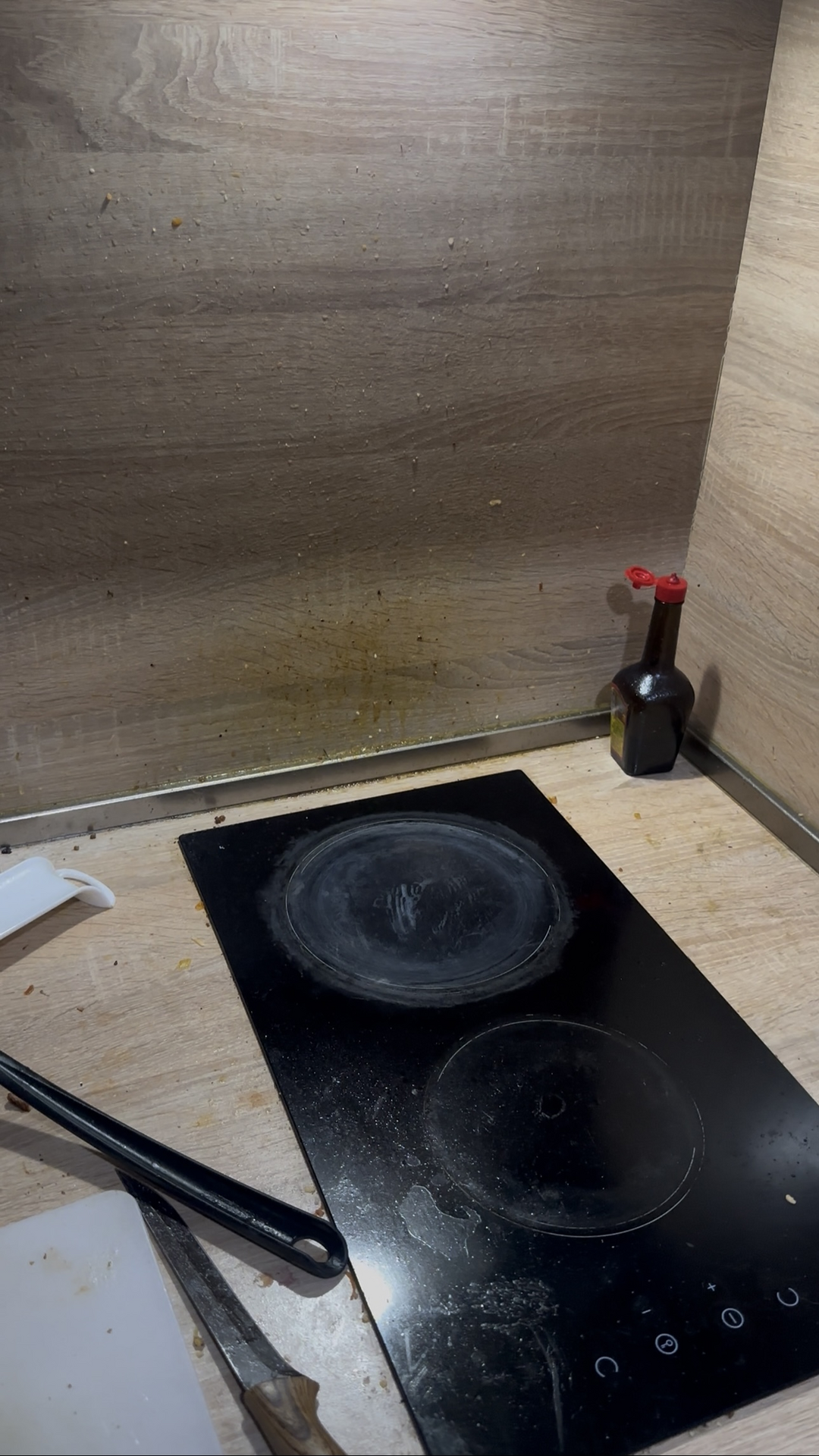
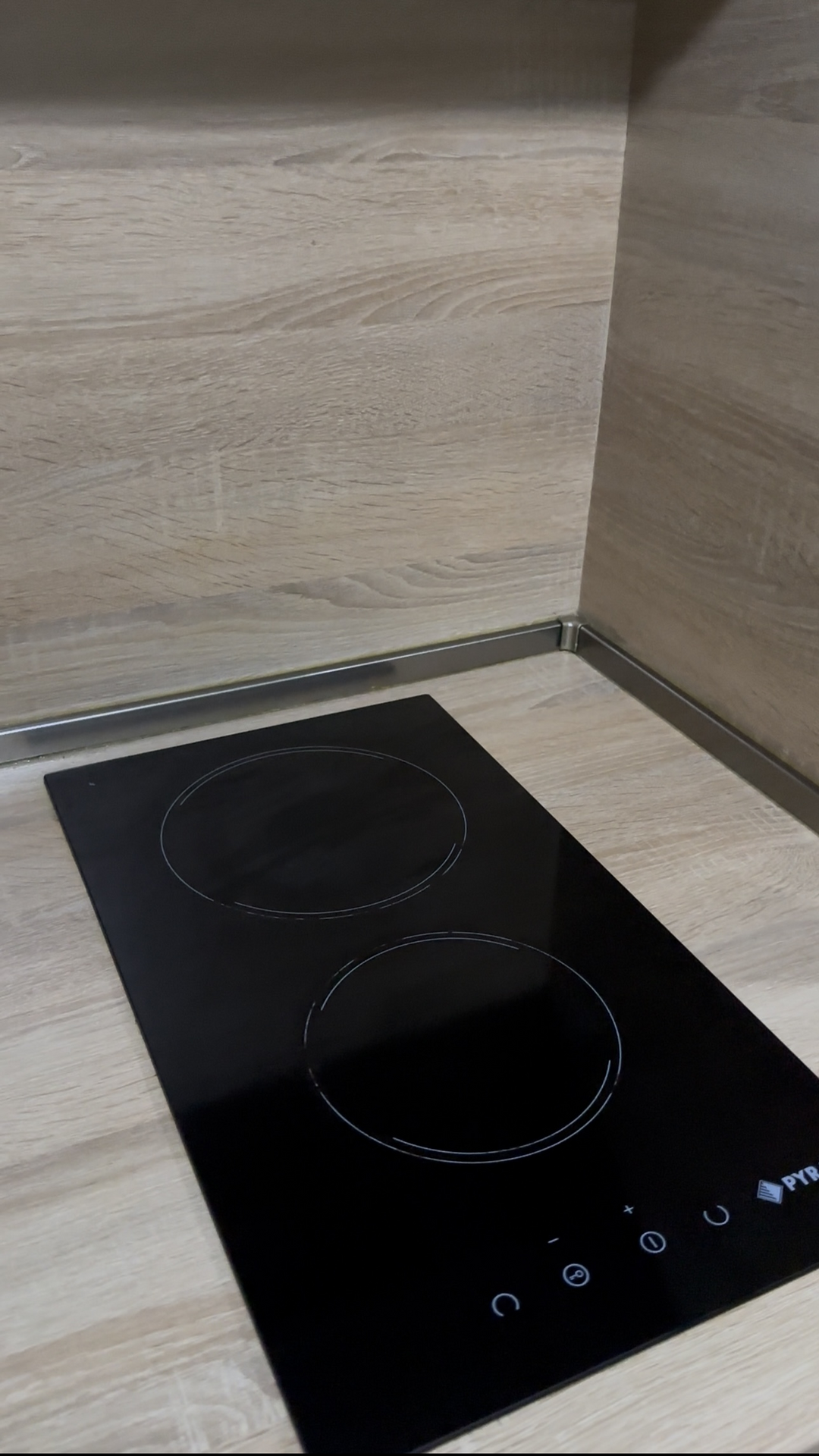
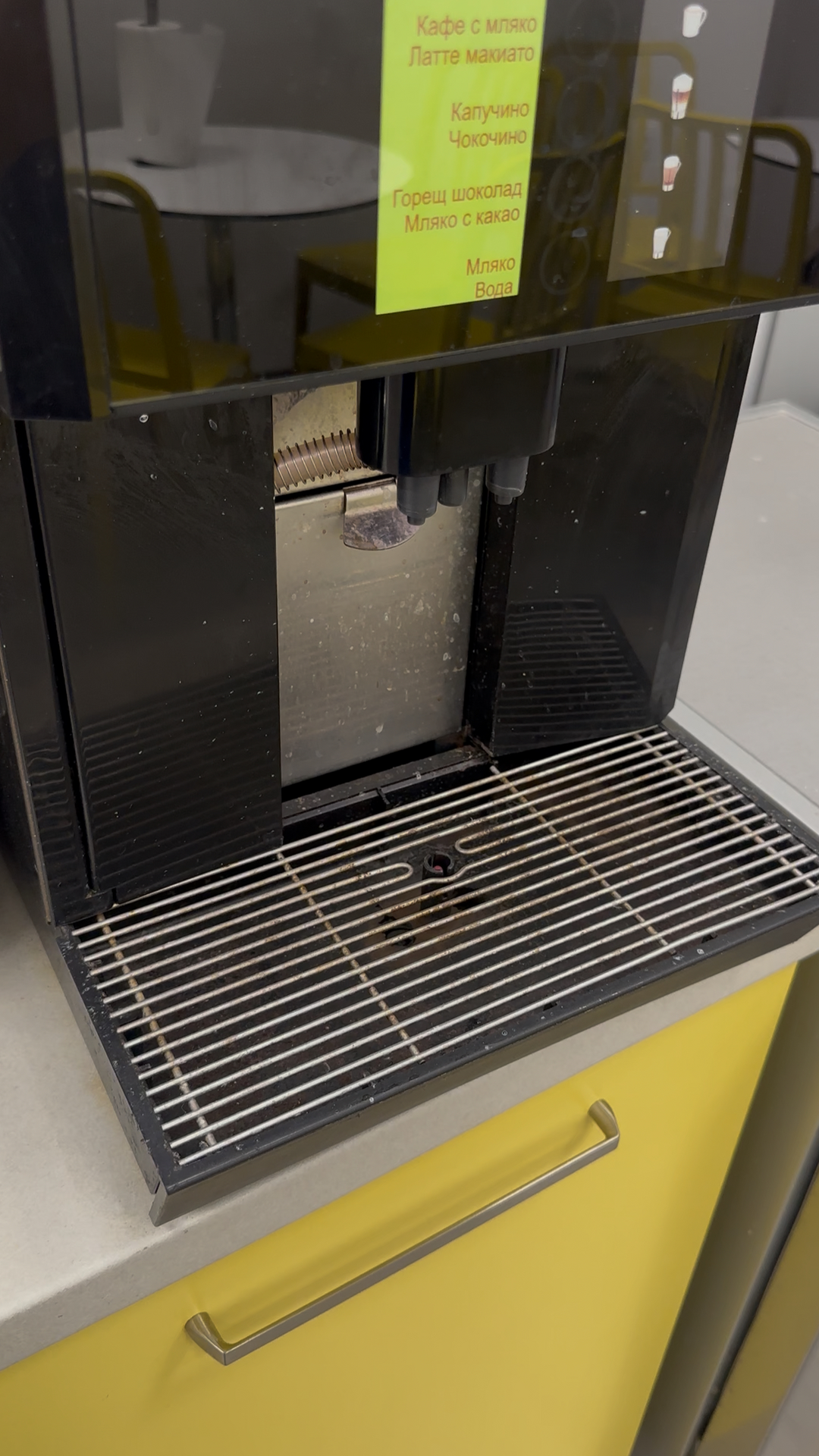
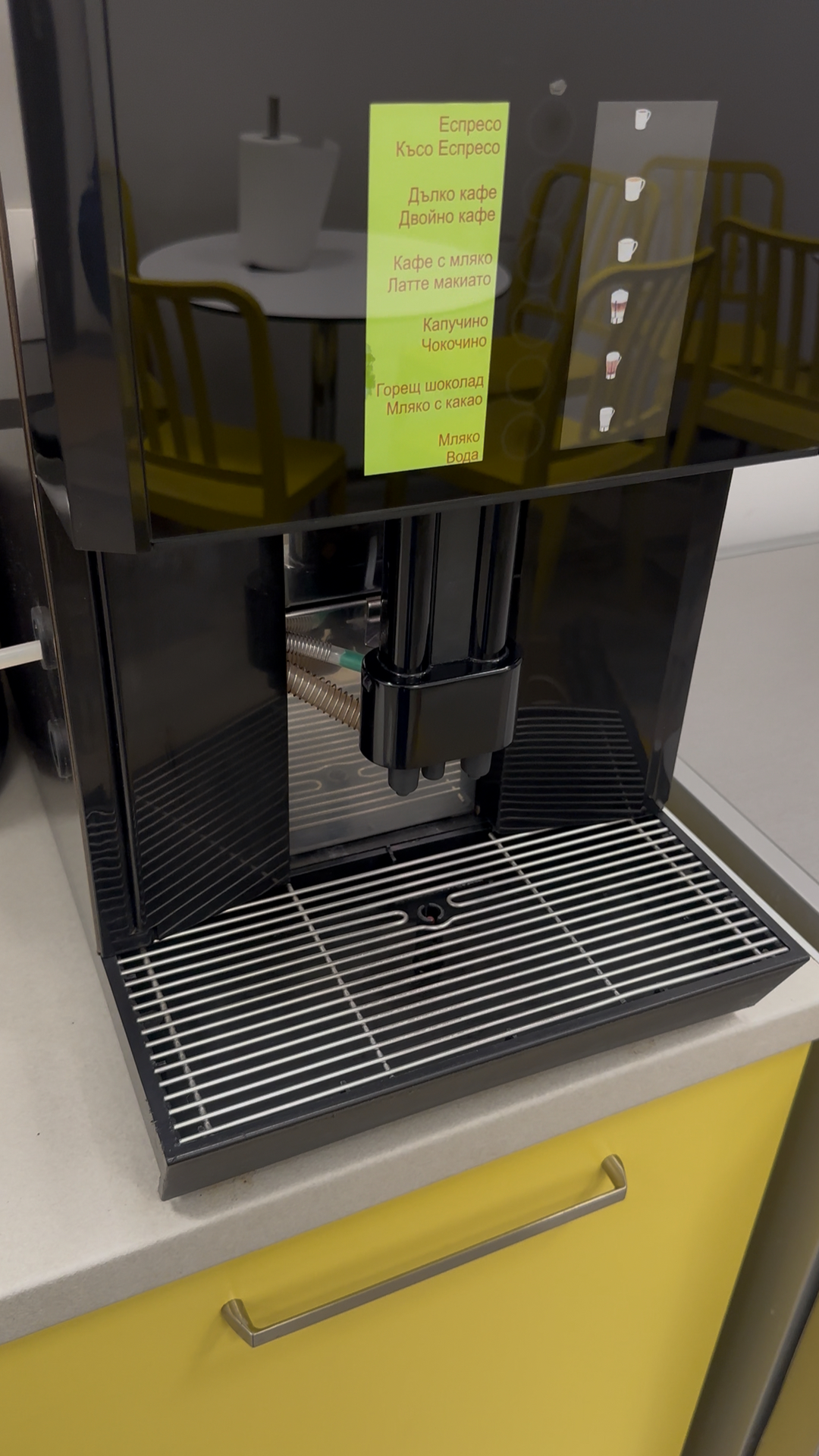
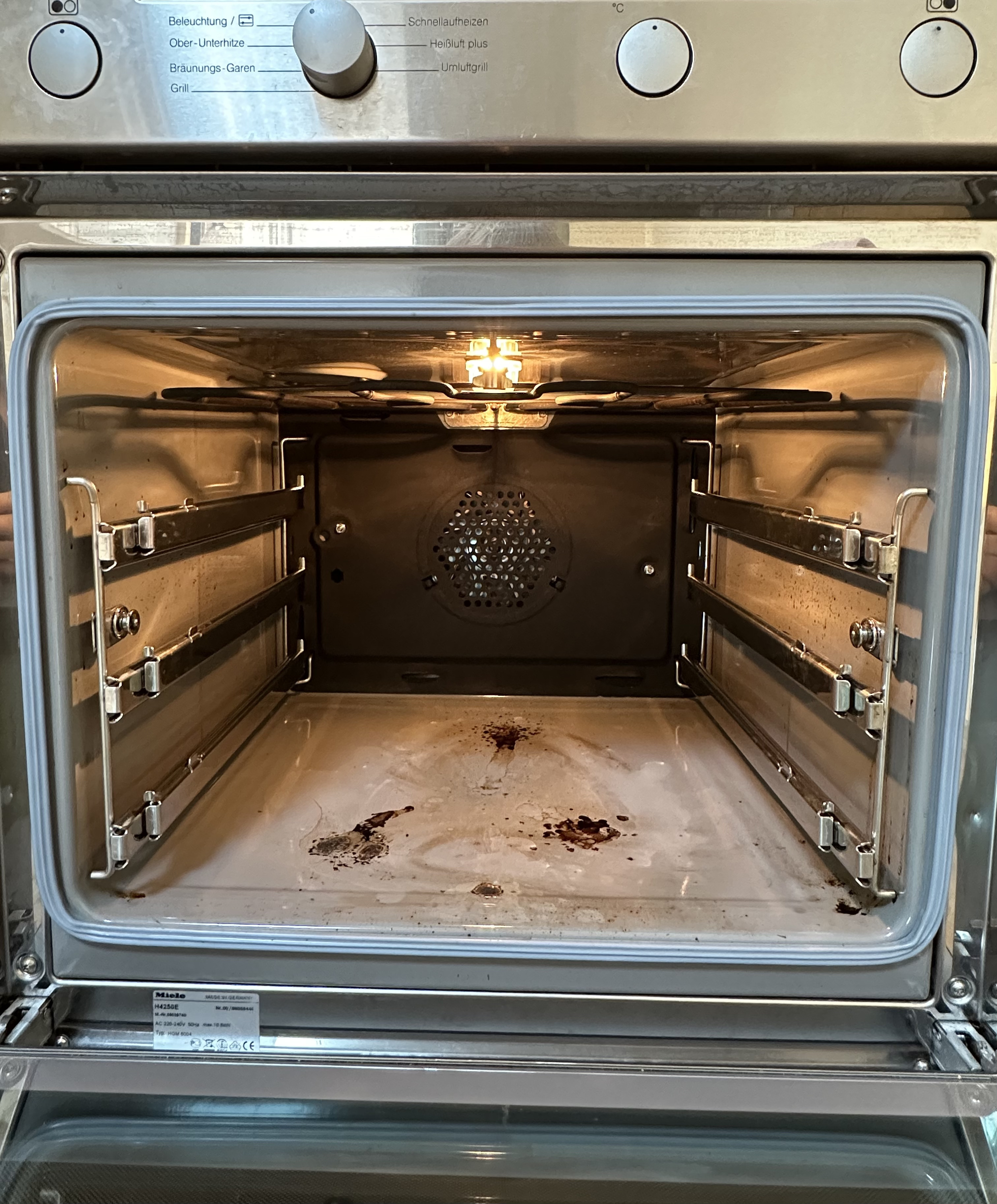
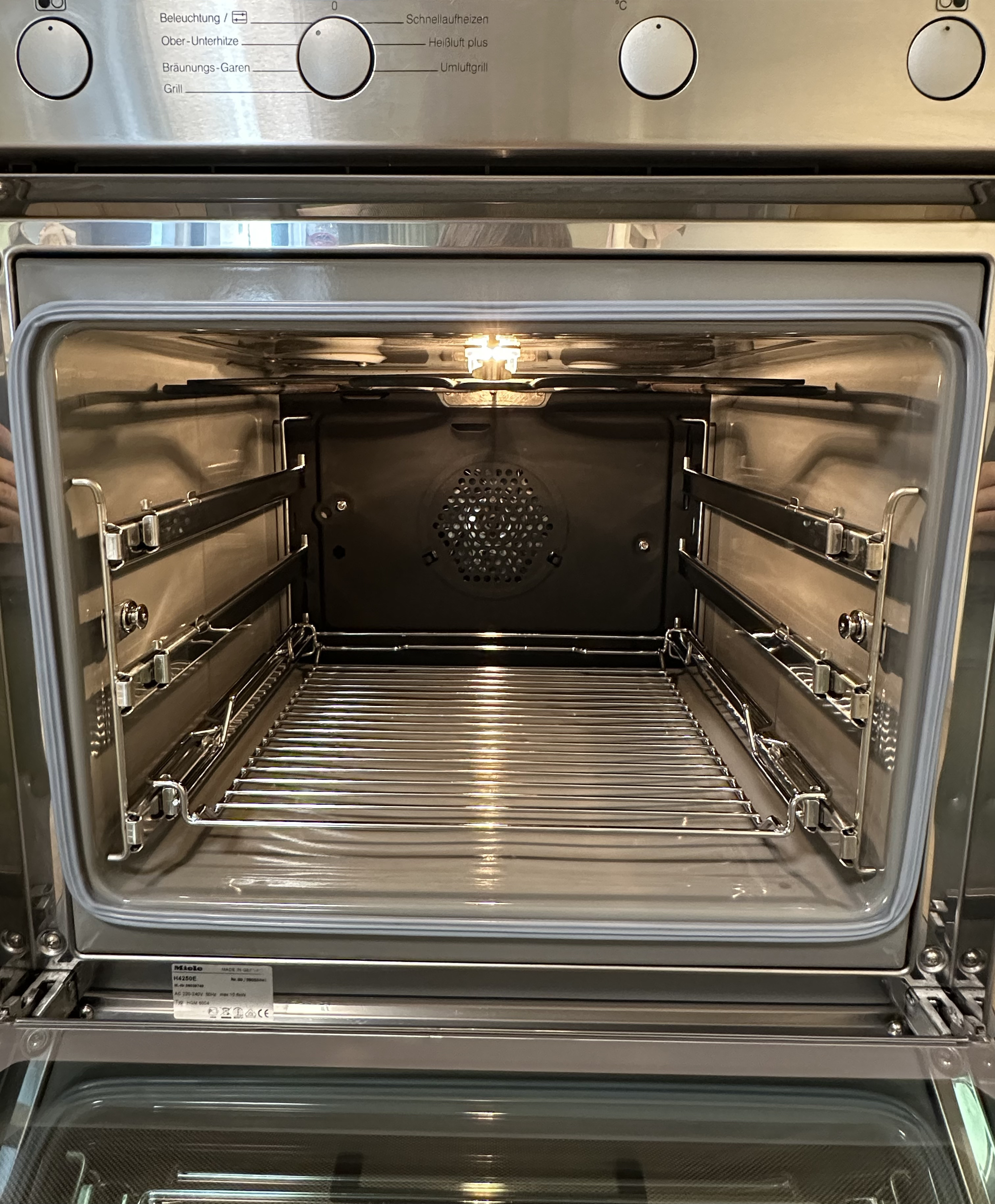




What to expect from Domestina's fridge cleaning service
Domestina's professional fridge cleaning service delivers thorough, safe and convenient results for households across Bulgaria.
- On-site service All cleaning is performed in your home. The technician arrives with all necessary equipment and products, completing the work efficiently on-site.
- Comprehensive cleaning scope The service addresses the complete fridge system: full interior cleaning — walls, ceiling, floor; all shelves, drawers and compartments; door seals and gaskets; drainage system and drip tray; condenser coils and exterior surfaces; door compartments and bins.
- Food-safe products and methods Domestina technicians use professional-grade, food-safe sanitisers; enzyme-based cleaners for organic residues; appropriate treatments for mould and odours; non-abrasive tools that protect surfaces.
- Transparent pricing Pricing is clear and agreed before the service begins. You know exactly what the service includes and what it will cost — no hidden charges.
- Minimal disruption The cleaning process is completed efficiently. Perishable foods are kept at safe temperatures throughout, and the fridge is ready for immediate use upon completion.
- Expert advice After cleaning, the technician can provide recommendations for maintaining your fridge, including storage tips, temperature guidance and maintenance schedules tailored to your household.
How professional fridge cleaning works
Professional fridge cleaning is a structured and methodical process designed to eliminate contamination from every area where bacteria, mould, residues and odours accumulate. Unlike routine household wiping, which focuses mainly on visible surfaces, professional cleaning involves full access to internal components, targeted treatment of different materials and thorough sanitisation of food-contact zones.
The goal is not only to improve appearance, but to restore the fridge to a hygienic, efficient and safe state for food storage. Below is a detailed overview of how the process typically unfolds.
- Initial assessment and consultation Before any cleaning begins, the technician carries out a detailed inspection of the refrigerator to understand its condition and specific hygiene challenges. This includes a visual inspection, identification of fridge type, checking for functional issues and discussion with the client regarding specific concerns.
- Protection of the surrounding area The surrounding kitchen area is prepared in advance — the floor is protected, nearby worktops are cleared or covered and sufficient space is created around the fridge to allow access.
- Complete emptying and food sorting All contents are removed from the fridge to allow unrestricted access to every interior surface. Perishable foods are placed in insulated cool bags, expired items are identified, and containers showing leaks or residue are flagged.
- Removal of shelves, drawers and internal components All removable parts are taken out — glass or plastic shelves, door bins, vegetable and fruit crisper drawers, deli drawers, shelf rails and ice maker components where applicable.
- Application of food-safe cleaning and sanitising agents Professional fridge cleaning uses products specifically designed for food-contact environments, including food-safe sanitisers, enzyme-based cleaners, mould-targeted treatments and odour-neutralising agents.
- Interior surface cleaning and sanitisation All interior walls, including the back panel, sides, ceiling and base, are cleaned and sanitised. Areas around internal lights, air vents and the base of the fridge receive focused attention.
- Detailed cleaning of door seals and gaskets The door seal is one of the most contamination-prone areas. The visible outer surface, folded inner sections and any mould growth within the gasket are thoroughly treated.
- Drainage system and drip tray cleaning The internal drain hole is cleared of blockages, drainage channels are flushed and the drip tray beneath the fridge is accessed, emptied and cleaned.
- Condenser coil and exterior cleaning Condenser coils are cleared of dust, the compressor area is cleaned, exterior surfaces are polished and the area beneath and behind the fridge is cleaned.
- Washing, sanitising and drying of components All removed shelves, drawers and bins are washed with food-safe solutions, sanitised, rinsed thoroughly, dried completely and inspected for damage.
- Reassembly and final inspection Shelves and racks are positioned at suitable heights, drawers and bins are correctly aligned, and door compartments are securely refitted. A final visual inspection confirms all areas are clean, dry and properly installed.
- Temperature check and client walkthrough The fridge temperature is checked, the technician walks the client through the results, and advice is provided on food organisation and practical maintenance tips.
Frequently Asked Questions
What is the price?
Companies set their own prices on the Domestic platform. The price may depend on the quality of the detergents they use, as well as the company's history and the skills of the employees. Compare the offers of all companies by clicking the "See Prices" button.
What is included in fridge cleaning?
Before cleaning, all food items must be removed from the refrigerator, and magnets or personal items taken off. The fridge is then cleaned thoroughly inside and out, including shelves, drawers, and door seals. The freezer is also cleaned, though it is recommended that it be defrosted beforehand for the best results. Note that ice buildup is not removed during the cleaning process.
How long does it take to clean the oven and fridge?
The time required for cleaning depends on the level of dirt and buildup in the appliances, but on average, it takes between 2 and 4 hours to clean both the oven and fridge.
How to select a cleaning company?
Based on multiple criteria, representing professionalism, persistency, expertise and efficiency, Domestina provides Recommended Choice. When you start your order, you'll see the recommended company on the first place of the company list.
Do I need to defrost the freezer beforehand?
For heavily frosted freezers, defrosting is recommended approximately 12 hours beforehand. No-Frost systems do not require any pre-treatment.
Is the cleaning food safe?
Yes. We use only non-toxic, food-safe products, so you can put your food back in the refrigerator immediately after cleaning.
Can you remove strong odors such as fish or garlic?
Yes. Enzymatic cleaners are effective at neutralizing even very stubborn organic odors.
How long before my appointment should I start emptying my refrigerator?
Ideally, you should start 30–60 minutes beforehand, depending on how full it is. Allow a little extra time to temporarily store items, for example, in a cooler bag or in a cool place.
What should I do with perishable foods during the cleaning?
Perishable items like milk, meat, or fish should be kept as cool as possible. If necessary, use ice packs or temporarily store the items in a suitable location to maintain the cold chain.
Can I book the cleaning if my refrigerator is very dirty?
Yes, the cleaning service is specifically designed for a thorough cleaning. The only important thing is that the refrigerator is empty and easily accessible for the cleaning.
Should I turn off the refrigerator before the appointment?
Generally, this isn't necessary. However, if you plan to defrost the freezer anyway, switching it off as part of this preparation can be helpful – please refer to your appliance manufacturer's instructions.
How can I prevent odors from quickly returning after cleaning?
Store strongly scented foods in tightly sealed containers and wipe up any small spills immediately. Regularly checking your food also helps reduce odor buildup in the long run.
Is there an ideal time to book refrigerator cleaning?
Many households like to book before a large grocery shop, after a vacation, or when they want to reorganize their refrigerator. This way, you start with a clean base and maintain order more easily afterward.
Can I put the food back in the refrigerator immediately after cleaning?
Yes, as soon as the cleaning is complete, you can put the food back in. Make sure to place products neatly and seal them as tightly as possible to prevent new residues from forming.
What if I have magnets or decorative items on the refrigerator door?
Please remove all ice and other debris before your appointment. This will allow for a thorough cleaning of the exterior surfaces and make the cleaning process faster and more efficient.
Does refrigerator cleaning also help with older models?
Yes, a thorough cleaning improves hygiene and freshness, regardless of the appliance's age. It's important that the appliance is accessible and that you have emptied it beforehand.
How often should I clean my refrigerator?
Not all refrigerators require the same cleaning frequency. Several factors directly influence when a refrigerator's interior cleaning should be scheduled. Ignoring these variables can accelerate the appliance's deterioration or even pose a health risk to your household.
The following details the main factors that determine how often a professional cleaning should be performed:
- Type of use and quantity of food stored - A family refrigerator that's used frequently accumulates residue faster than one that's used only occasionally. The more food is moved around, the greater the need for deep cleaning.
- Presence of children, pets or vulnerable people - In homes with babies, the elderly, or immunocompromised individuals, exposure to bacteria or mold can have more serious consequences. In these cases, professional cleaning is recommended at least every three months.
- Refrigerator type and design - Frost-free models accumulate less frost, but they are not immune to internal dirt buildup. Built-in or industrial models, on the other hand, require regular inspection due to their structural complexity and intensive use.
- Climatic conditions and location - In warm or humid climates, bacteria and odors can proliferate more rapidly. Refrigerators and freezers located near windows or heat sources also tend to experience temperature instability, increasing the need for maintenance.
- History of incidents or spills - If there have been liquid spills, power outages, or spoiled food, it is crucial to perform an immediate cleaning without waiting for the usual cycle.
The ideal frequency is not universal. Understanding these factors and paying attention to signs such as unpleasant odors, visible frost, or unusual noises helps maintain the refrigerator's efficiency and protect its contents.
The role of the fridge in daily life
The refrigerator occupies a unique position among household appliances. Unlike ovens, washing machines or dishwashers that operate intermittently, the fridge runs continuously to maintain a stable cold environment. This constant operation, combined with the frequent opening and closing of doors, creates specific challenges for cleanliness.
Modern households rely on the fridge to store a diverse range of foods simultaneously – raw meat alongside ready-to-eat items, dairy products near strong-smelling cheeses, fresh vegetables beside leftovers from last week. This diversity creates opportunities for cross-contamination and odour transfer that would not occur if foods were stored separately.
The typical family fridge experiences hundreds of door openings per week. Each opening allows warm, humid air to enter, which then condenses on cold surfaces. This moisture, combined with food particles and organic matter, creates ideal conditions for microbial growth. The temperature inside a fridge – typically 3-5°C – slows bacterial growth but does not stop it entirely. Certain bacteria, including Listeria monocytogenes [1], can actually thrive at refrigeration temperatures.
The interior design of modern fridges compounds the cleaning challenge. Multiple shelves, adjustable racks, door compartments, humidity-controlled crisper drawers, deli compartments and ice makers all provide surfaces where contamination can accumulate. Many of these areas are difficult to access without removing components, and some – like drainage channels and the space beneath drawers – are virtually invisible during normal use.
What accumulates inside a fridge
The contamination inside a neglected fridge is not simply visible dirt or an unpleasant smell. It is a complex and evolving mixture of microorganisms, organic residues, moisture and volatile compounds that interact with one another over time. These elements form a hidden ecosystem that cannot be eliminated with occasional wiping alone and requires targeted, systematic cleaning.
Because the fridge operates continuously and stores a wide range of foods, contamination tends to accumulate gradually and often invisibly, particularly in areas that are not part of routine household cleaning.
Bacteria enter the refrigerator in several ways: on food packaging, via hands during loading and unloading, through unwashed produce, and with the warm air that enters every time the door is opened. While low temperatures slow bacterial reproduction, they do not destroy bacteria already present on surfaces.
Over time, bacteria can form biofilms. A biofilm is a structured community of microorganisms enclosed in a self-produced protective layer made of proteins, sugars and fats. This layer allows bacteria to adhere firmly to surfaces and makes them significantly more resistant to standard detergents and surface wiping.
Biofilms commonly develop in areas where moisture and food residues persist, such as shelf rails, drawer corners, door seals and drainage channels. Once established, they act as a continuous source of contamination, repeatedly transferring bacteria to fresh food placed nearby.
Common bacteria found in domestic refrigerators include:
- Listeria monocytogenes, which is particularly dangerous because it can grow at refrigeration temperatures and survives well on damp plastic and metal surfaces; Salmonella, often introduced through raw poultry, eggs or contaminated packaging;
- E. coli, associated with raw meat, unwashed fruits and vegetables [2];
- Staphylococcus aureus, transferred from human skin and hands during food handling.
These bacteria can persist on fridge surfaces for extended periods and contaminate ready-to-eat foods without any visible warning signs.
Mould and fungal growth
Mould spores are naturally present in indoor air and are easily introduced into the fridge through food, packaging and airflow. Although cold temperatures slow mould growth, the combination of moisture and organic matter inside the fridge allows certain species to develop steadily.
Mould growth is most frequently found in:
- door seal gaskets, where folded rubber traps moisture and food particles;
- vegetable and fruit drawers, which are designed to retain humidity;
- drainage channels, where water and debris accumulate if the drain becomes partially blocked;
- forgotten or leaking containers, which provide a concentrated nutrient source.
Once mould establishes itself, it can spread spores throughout the fridge, settling on other surfaces and foods. Some mould species produce mycotoxins, which can be harmful if ingested, while others primarily pose a risk through spore inhalation and surface contamination [4].
Even when mould is visible only in one area, it is often present in less accessible locations as well.
Food residues and spills
Everyday use inevitably leads to small spills and leaks. Milk drips from cartons, meat packaging releases juices, fruit exudes liquid as it ripens, and condensation forms under containers and drawers.
When these substances are not removed promptly, they dry into sticky residues that:
- provide nutrients for bacteria and mould;
- create rough surfaces that trap additional contamination;
- become increasingly difficult to remove over time;
- permanently stain plastic components in severe cases.
Food residues most commonly accumulate:
- beneath frequently moved items on shelves;
- at the bottom of door compartments;
- under vegetable drawers where liquids collect unnoticed;
- on the base of the fridge interior, where gravity draws spills downward.
Odours and cross-contamination
Strong-smelling foods release volatile odour compounds that circulate within the fridge. Without proper containment and cleanliness, these compounds migrate freely between foods.
Porous foods such as butter, cream, eggs and bread absorb odours particularly easily. This leads to flavour contamination even when the food remains technically safe to eat.
Persistent fridge odours usually indicate hidden contamination, most often originating from:
- door seals that have absorbed grease and moisture;
- blocked or dirty drainage systems;
- residues beneath drawers or behind shelves;
- plastic components that have absorbed odour compounds over time.
Surface cleaning may temporarily mask these smells, but it does not remove their source. Only thorough, professional cleaning can eliminate odours at their origin and restore a neutral storage environment.
Types of fridges suitable for professional cleaning
Professional fridge cleaning services can accommodate all common domestic fridge types. Each presents specific challenges:
Standard freestanding fridges
The most common type, freestanding fridges are relatively straightforward to clean:
- Easy access to all sides for condenser and exterior cleaning.
- Standard shelving and drawer arrangements.
- Accessible door seals.
Fridge-freezer combinations
Units with both fridge and freezer compartments require attention to both sections:
- The freezer may need defrosting if frost has accumulated.
- The dividing wall and shared components need cleaning.
- Different temperature zones require different approaches.
American-style side-by-side fridges
Large units with the fridge and freezer arranged as two vertical columns:
- Extensive door compartment space requires thorough attention.
- Ice makers and water dispensers need specialised cleaning.
- Greater surface area means extended cleaning time.
Built-in and integrated fridges
Fridges designed to sit within kitchen cabinetry:
- Limited access around sides and back may restrict condenser cleaning.
- Cabinet integration requires careful handling during door removal.
- Ventilation grilles within cabinetry need attention.
French door fridges
Units with two doors opening onto the fridge section and a drawer freezer below:
- Large fridge compartments with multiple shelf configurations.
- The drawer freezer requires separate attention.
- Door-mounted compartments on both doors need individual cleaning.
Compact and undercounter fridges
Smaller units used in apartments, offices or as secondary fridges:
- Limited interior space makes thorough cleaning easier.
- Condensers may be less accessible due to compact design.
- Often neglected despite regular use.
Commercial-style domestic fridges
Large, professional-grade units installed in domestic kitchens:
- Greater capacity means more surfaces to clean.
- Heavy-duty construction requires appropriate handling.
- May have specialised features requiring specific attention.
Signs your fridge needs professional cleaning
Refrigerators rarely fail suddenly because of contamination. Instead, hygiene issues develop gradually while the appliance continues to operate. Recognising the early signs allows you to book professional cleaning before food safety, efficiency and performance are affected.
- Persistent unpleasant odours If bad smells remain even after removing spoiled food and wiping visible surfaces, the source is usually hidden. Odours most often originate from door seal folds, drainage channels, areas beneath drawers or plastic components that have absorbed smell compounds. These sources cannot be eliminated with surface cleaning alone.
- Visible mould or discolouration Any mould growth indicates conditions suitable for fungal development. Where mould is visible, additional growth is likely present in less accessible areas such as door seals, drawer corners or around vegetable compartments. Professional cleaning removes both visible and hidden mould to prevent recurrence.
- Sticky residues and cloudy surfaces Dried spills from fruit juices, meat juices or dairy products can bond to fridge surfaces and resist normal wiping. Over time, shelves and drawers may appear hazy or grimy as contamination builds up in scratches and seams, especially in older plastic components or heavily used produce drawers.
- Excess moisture and condensation Water droplets on walls, pooling liquid in drawers, fogged shelves or ice forming on the back wall indicate problems with drainage, door seals or airflow. These issues promote bacterial growth and reduce cooling efficiency if left unaddressed.
- Food spoiling faster than expected When food consistently spoils before its use-by date, contamination, unstable temperature or cross-contamination may be the cause. Professional cleaning reduces bacterial load and helps identify underlying issues affecting food preservation.
- Reduced efficiency or unusual noise If the fridge runs louder than usual or struggles to maintain temperature, dust on condenser coils, blocked vents or frost buildup may be forcing the system to work harder. Professional cleaning restores airflow and improves efficiency [3].
How often should you book professional fridge cleaning?
There is no single universal schedule for professional fridge cleaning. The optimal frequency depends on how intensively the appliance is used, how many people rely on it daily, the types of food stored, and whether there are specific health or hygiene considerations in the household. Refrigerators are dynamic environments, and contamination builds up gradually, often without obvious visual warning signs.
Below are detailed guidelines to help determine the most appropriate cleaning interval.
Single-person or two-person households
Recommended frequency: every 12–18 months
In smaller households, fridge usage is generally lighter and more predictable:
- fewer daily door openings;
- lower volume of stored food;
- reduced risk of cross-contamination;
- less frequent handling of raw meat and high-risk foods.
If food is stored carefully, spills are wiped promptly and leftovers are managed properly, contamination tends to accumulate more slowly. In these cases, professional cleaning once every year to year and a half is usually sufficient to maintain hygiene and efficiency.
However, even in low-use households, hidden areas such as door seals, drainage channels and the base beneath drawers still accumulate moisture and residue over time. Professional cleaning at this interval ensures these areas are addressed before problems develop.
Families with children
Recommended frequency: every 6–12 months
Households with children place higher demands on the fridge:
- more frequent opening and closing of the door;
- a wider variety of foods stored simultaneously;
- increased handling of snacks, drinks and leftovers;
- higher likelihood of spills, leaks and partially sealed containers.
Children are also more vulnerable to foodborne illness, making fridge hygiene particularly important. Regular professional cleaning every 6 to 12 months reduces bacterial load, prevents cross-contamination and helps maintain a safer environment for food storage.
Families managing food allergies, preparing baby food or storing specialised dietary products often benefit from cleaning closer to the 6-month interval.
Large households or high-usage fridges
Recommended frequency: every 4–6 months
In large households, shared living situations or homes where cooking is frequent, the fridge is under constant pressure:
- high food turnover;
- frequent storage of raw meat, dairy and leftovers;
- increased moisture from warm foods placed inside;
- more opportunities for contamination through contact and spills.
In these environments, bacteria, mould and odour compounds accumulate much faster. Professional cleaning every 4 to 6 months helps prevent contamination from reaching levels that affect food safety, efficiency and appliance condition.
This frequency is also advisable for:
- households that cook daily or entertain often;
- shared flats where multiple people use the same fridge;
- homes where the fridge is frequently overfilled, restricting airflow.
Situations that require additional or immediate cleaning
Regardless of household size, certain situations justify booking professional fridge cleaning outside the regular schedule.
After illness in the household
If someone in the home has experienced food poisoning, gastroenteritis or a viral illness, professional cleaning helps eliminate residual contamination and reduces the risk of reinfection.
Before or after moving house
When moving into a new property, the cleaning history of appliances is unknown. Professional fridge cleaning ensures a hygienic starting point. When moving out, it helps meet inventory requirements and protects deposits.
After extended absence or power interruption
If the fridge has been left unused, unplugged or affected by a power cut, bacteria and mould may develop unnoticed. Professional cleaning restores safety before reuse.
When persistent odours appear
Unpleasant smells that return quickly after surface cleaning usually indicate hidden contamination in seals, drains or plastic components. Professional cleaning addresses these sources directly.
When food spoils faster than expected
Consistent premature spoilage can signal contamination, poor airflow or temperature instability, all of which are addressed during professional cleaning.
When vulnerable individuals are present
Households with pregnant women, newborns, elderly relatives or immunocompromised individuals benefit from more frequent professional cleaning to minimise health risks.
Seasonal and lifestyle considerations
Certain times of year increase fridge usage:
- holiday periods with intensive cooking and food storage;
- summer months, when higher ambient temperatures increase condensation;
- periods of entertaining or hosting guests.
Scheduling professional fridge cleaning before or after these periods helps maintain hygiene during peak demand.
Why regular professional cleaning matters
Regular professional fridge cleaning:
- prevents the gradual buildup of bacteria and mould;
- extends the freshness and shelf life of stored food;
- reduces food waste;
- improves energy efficiency by maintaining airflow and clean components;
- protects the appliance from long-term damage;
- provides peace of mind that food is stored in a safe environment.
Rather than waiting for visible problems to appear, proactive cleaning ensures the fridge continues to perform its role effectively and safely.
Professional fridge cleaning for rental properties
The condition of the fridge is a frequent source of disputes in rental properties. Professional fridge cleaning helps protect both tenants and landlords by ensuring clear hygiene standards and documented results.
For tenants moving out, a professionally cleaned fridge shows that the appliance has been properly maintained. It meets inventory and check-out requirements, reduces the risk of deposit deductions and provides proof of professional service, including areas often overlooked during everyday use.
For tenants moving in, professional cleaning removes uncertainty about previous occupants. Even fridges that look clean may contain hidden contamination or allergen residues. A deep clean ensures a hygienic starting point and establishes a clear baseline condition for the tenancy.
For landlords and property managers, professional fridge cleaning between tenancies presents the property at its best, reduces disputes at check-out, extends appliance lifespan and demonstrates a commitment to tenant health and wellbeing.
The value of professional fridge cleaning
A clean fridge is fundamental to a safe and well-functioning kitchen. It preserves food properly, prevents cross-contamination, eliminates odours and operates efficiently. The food you store in a clean fridge remains fresh longer and safe for your family to consume.
Professional fridge cleaning delivers results that household methods cannot match. Through food-safe products, complete disassembly, thorough sanitisation and systematic processes, professional cleaners eliminate contamination in areas that routine cleaning never reaches.
The investment in professional cleaning provides value through:
- Food safety elimination of bacterial and mould contamination.
- Better food quality no odour transfer or flavour contamination.
- Reduced waste foods remain fresh longer.
- Energy efficiency clean coils and components reduce electricity consumption.
- Extended appliance life removal of damaging contamination preserves components.
- Peace of mind knowing your fridge is hygienic and your food is safe.
Whether your fridge is showing signs of contamination or you simply want to maintain it proactively, professional cleaning is a practical investment in your family's health and wellbeing.
Ready to restore your fridge to optimal condition? Book a professional fridge cleaning service and experience the difference proper hygiene makes to your food safety and kitchen environment.


 WORK
WORK