
Upholstery Cleaning
Team
Payment
What is included in the service?
- Sofas and armchairs upholstery cleaning (incl. pillows);
- Chair and stool upholstery cleaning;
- Stain Removal: Tackling tough stains like food, drink spills, and pet accidents.
- Odor Neutralization: Removing unpleasant odors trapped in the fabrics.
How it works?
How long does the service take?
How long does it take for upholstery to dry?
How often should I wash the upholstery?
What's the expected end result?

Previous cleanings
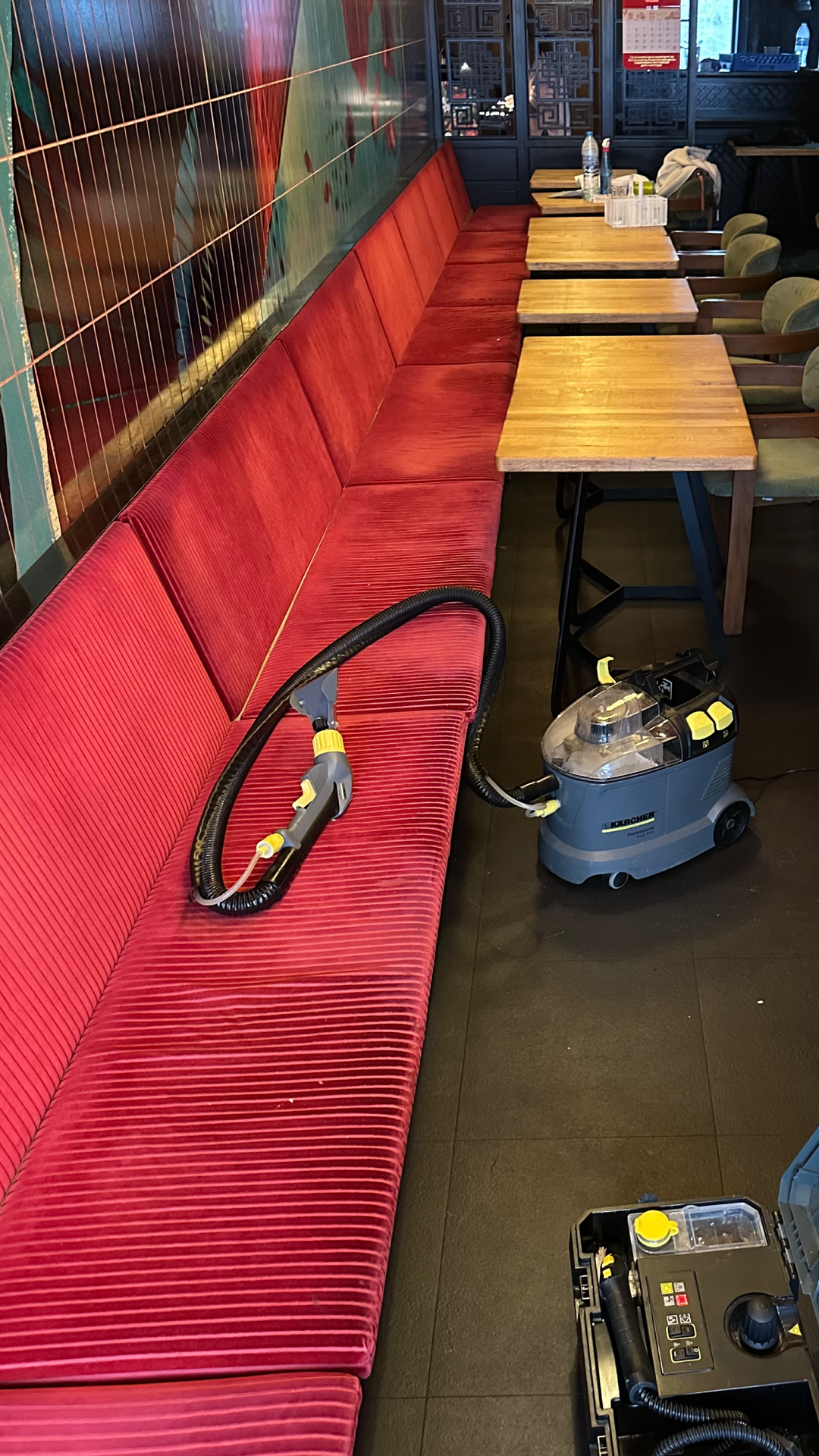

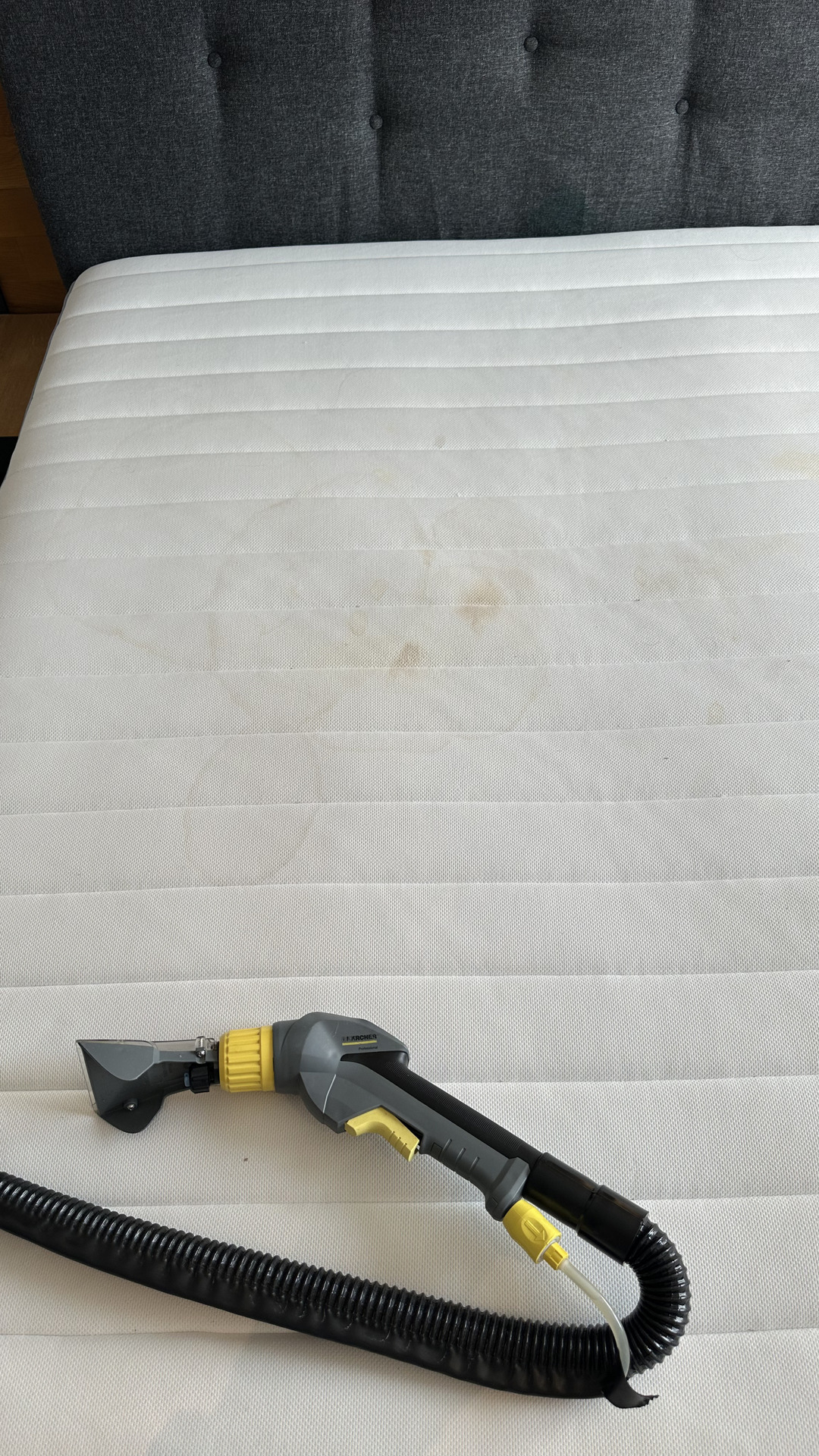
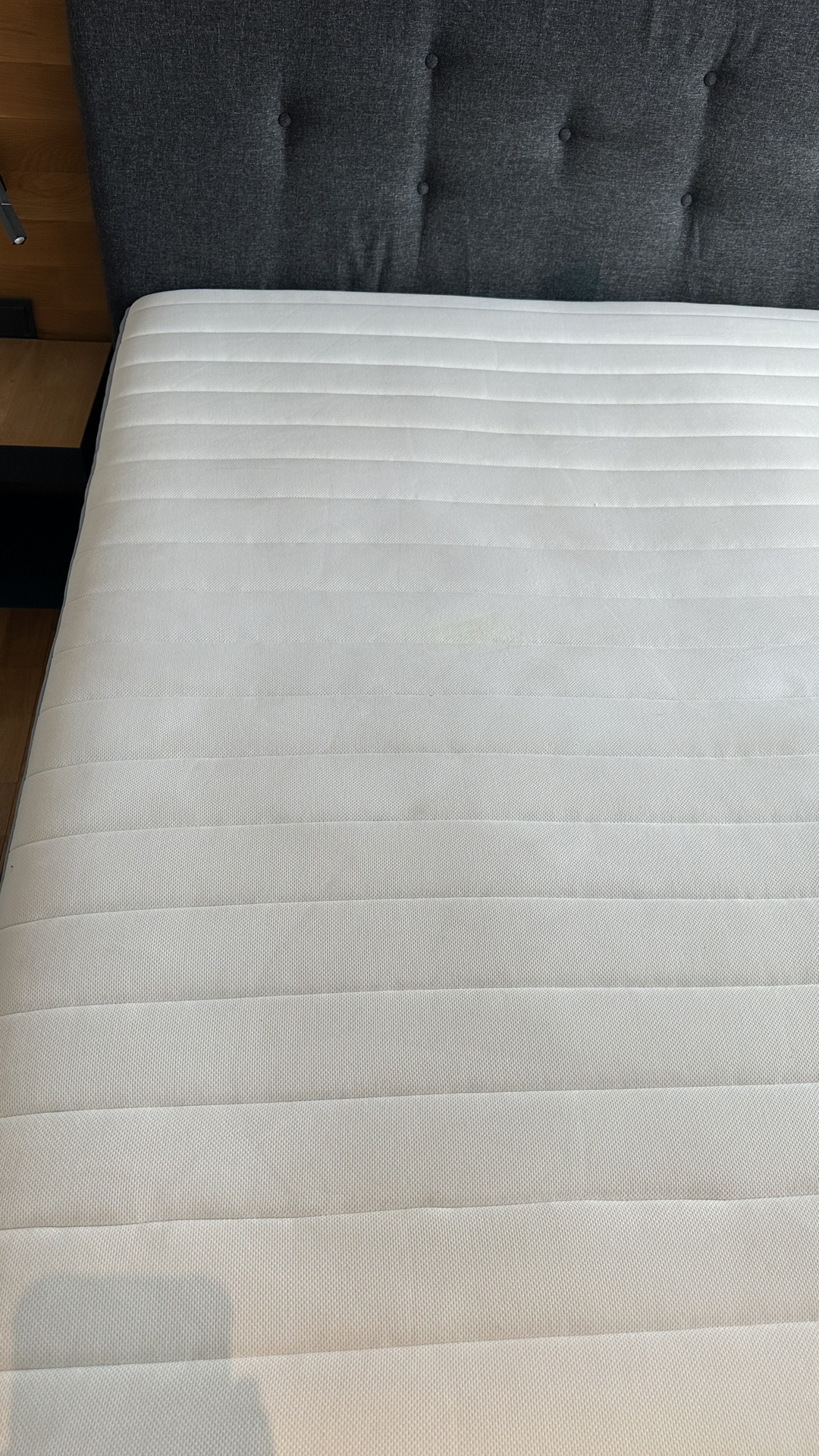
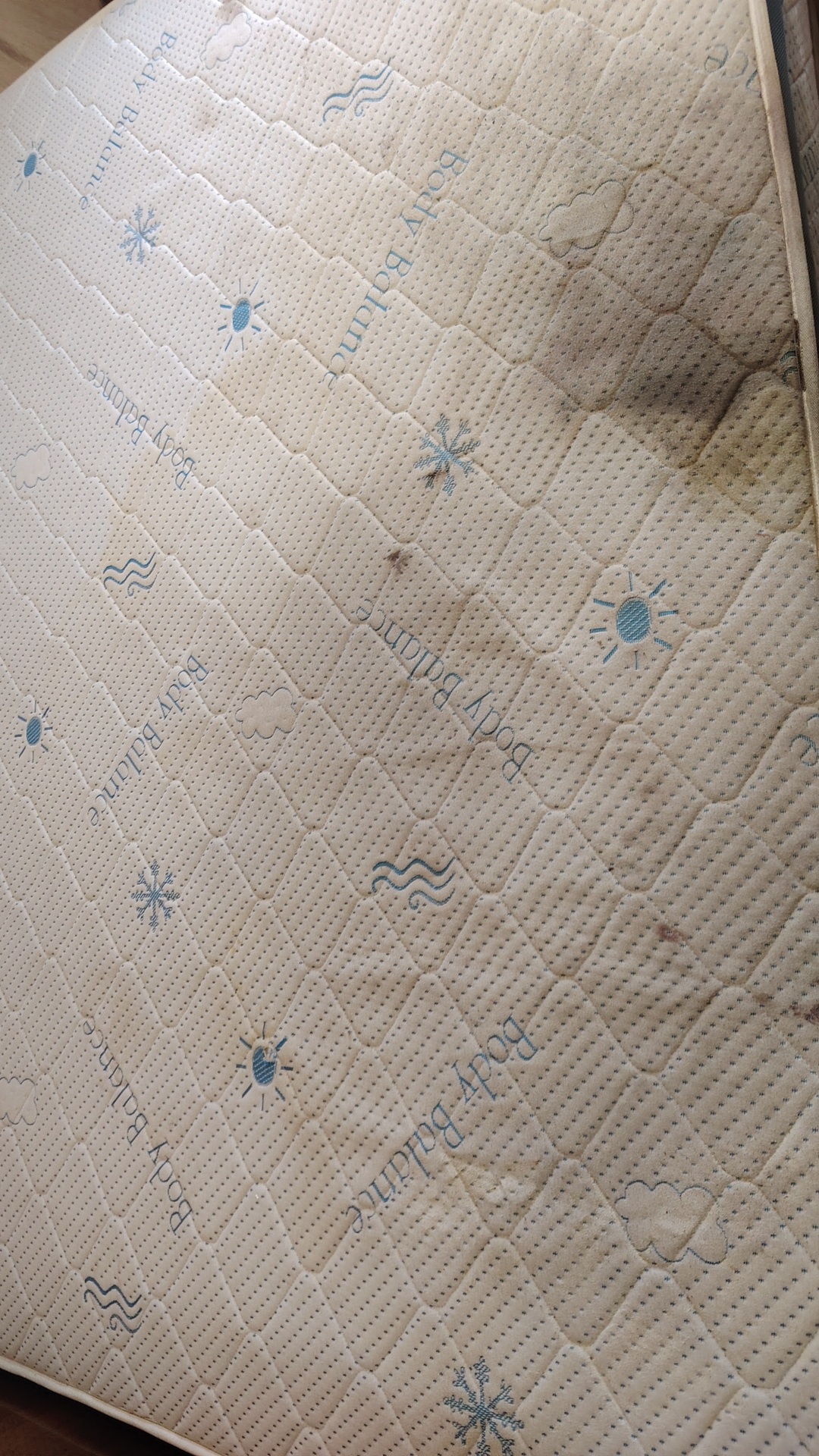
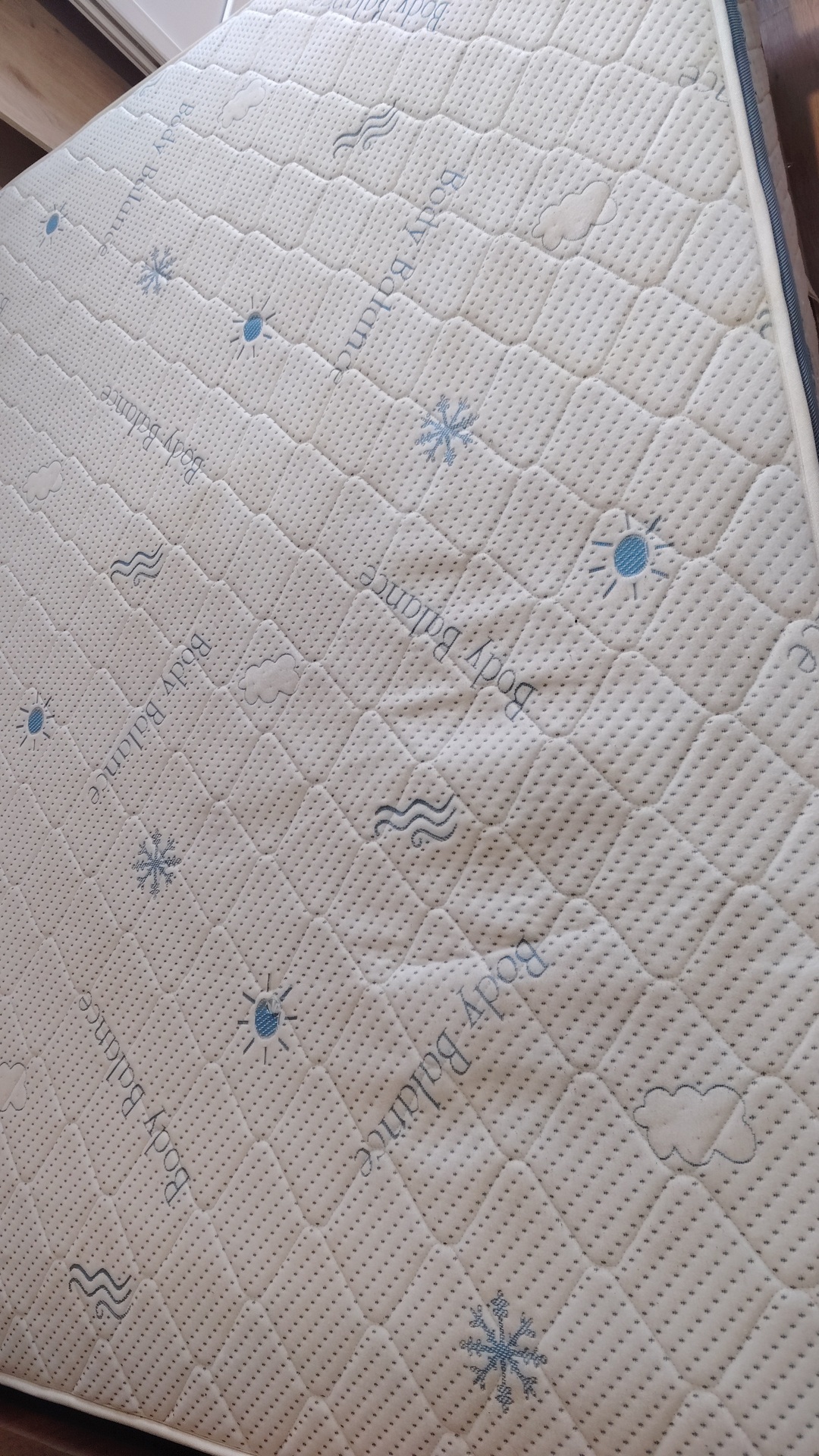
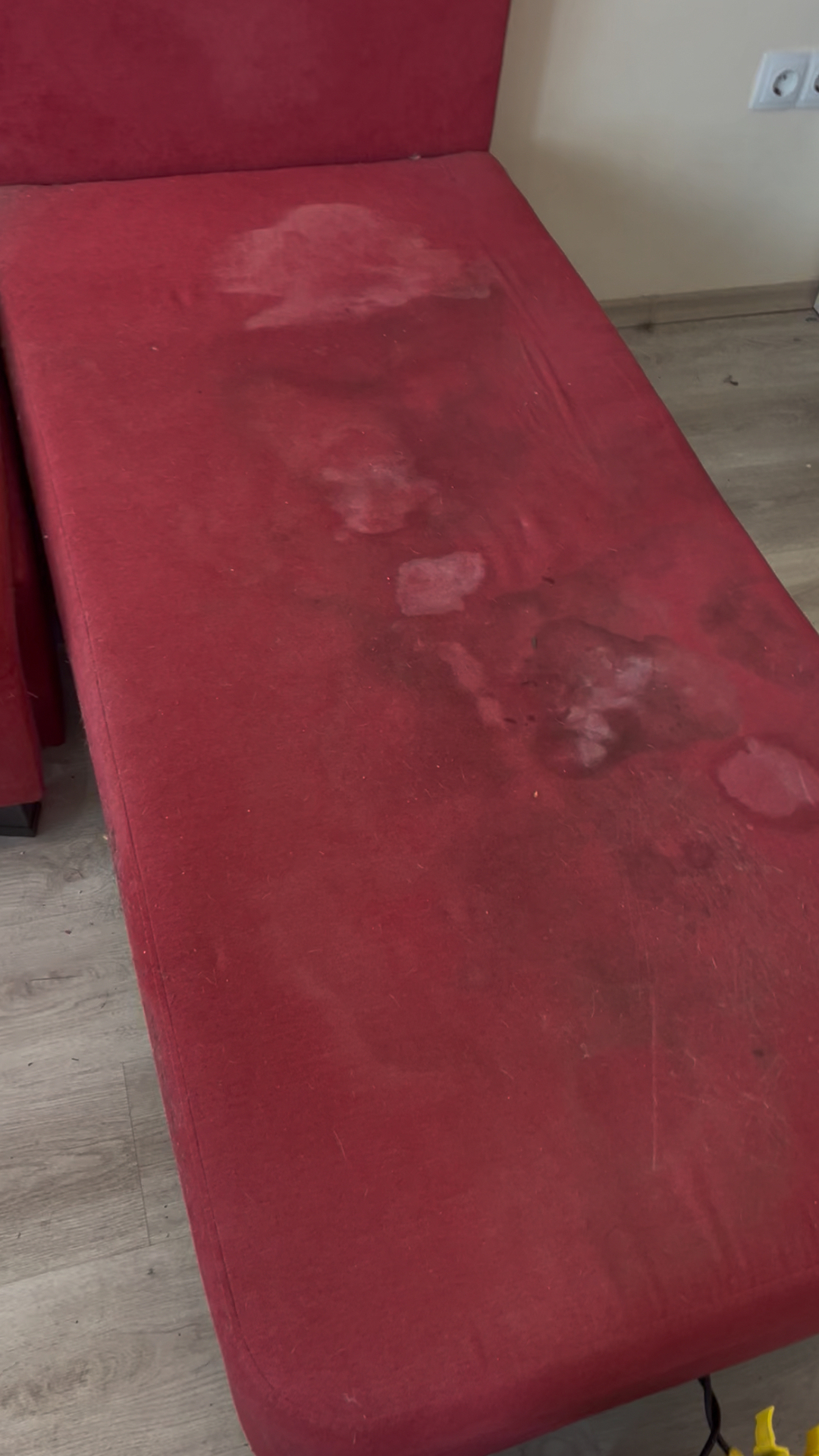
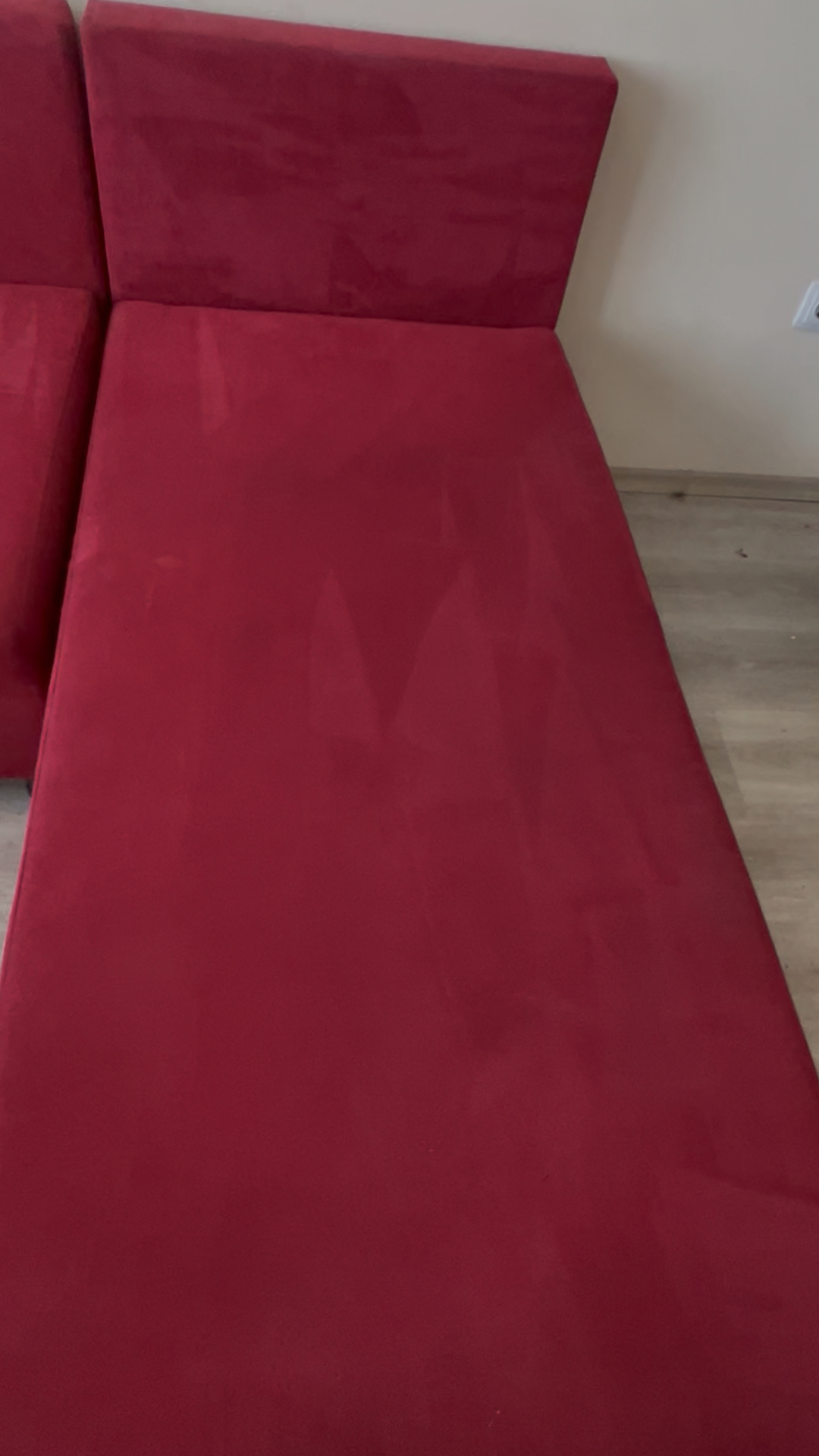
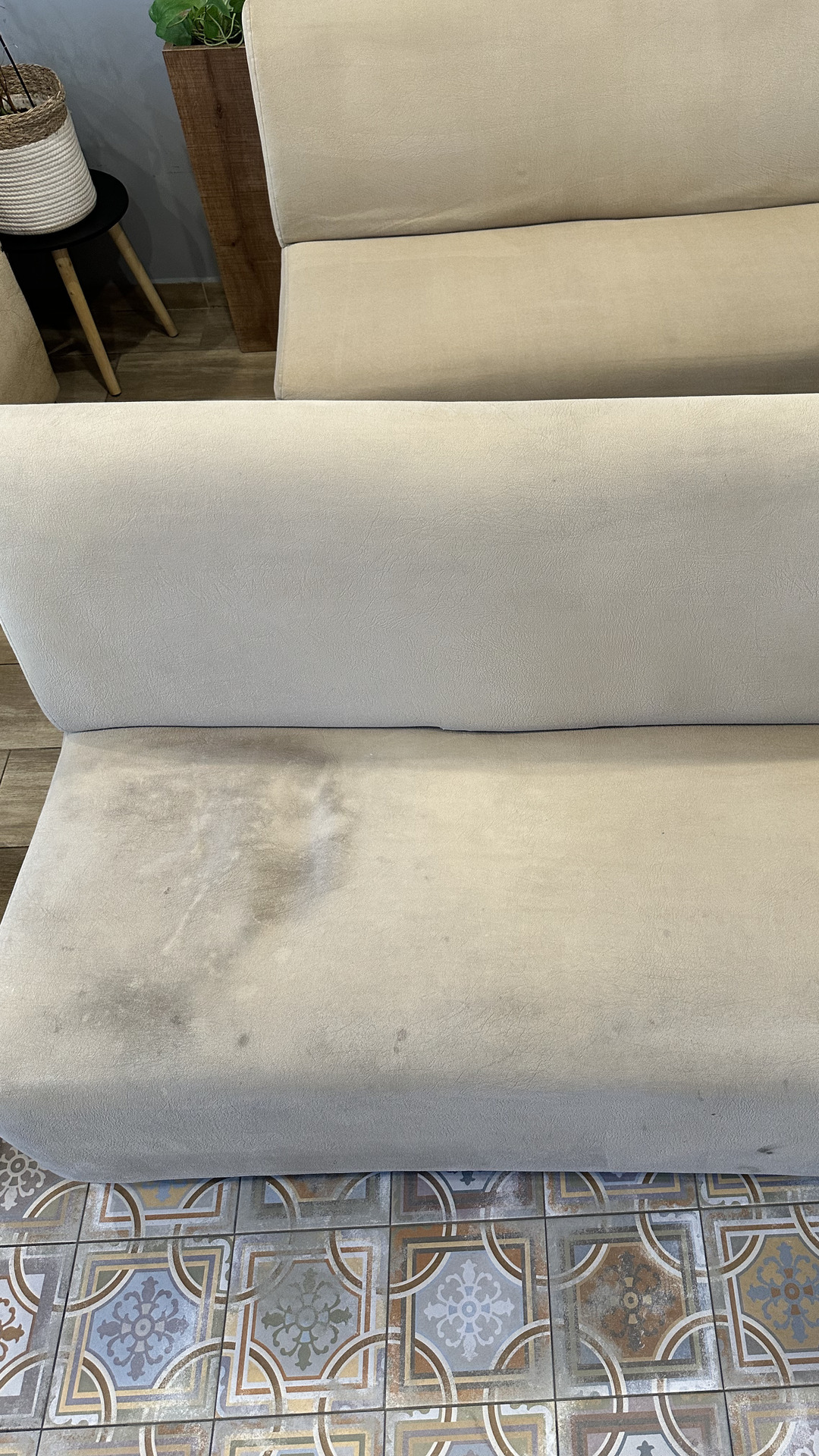
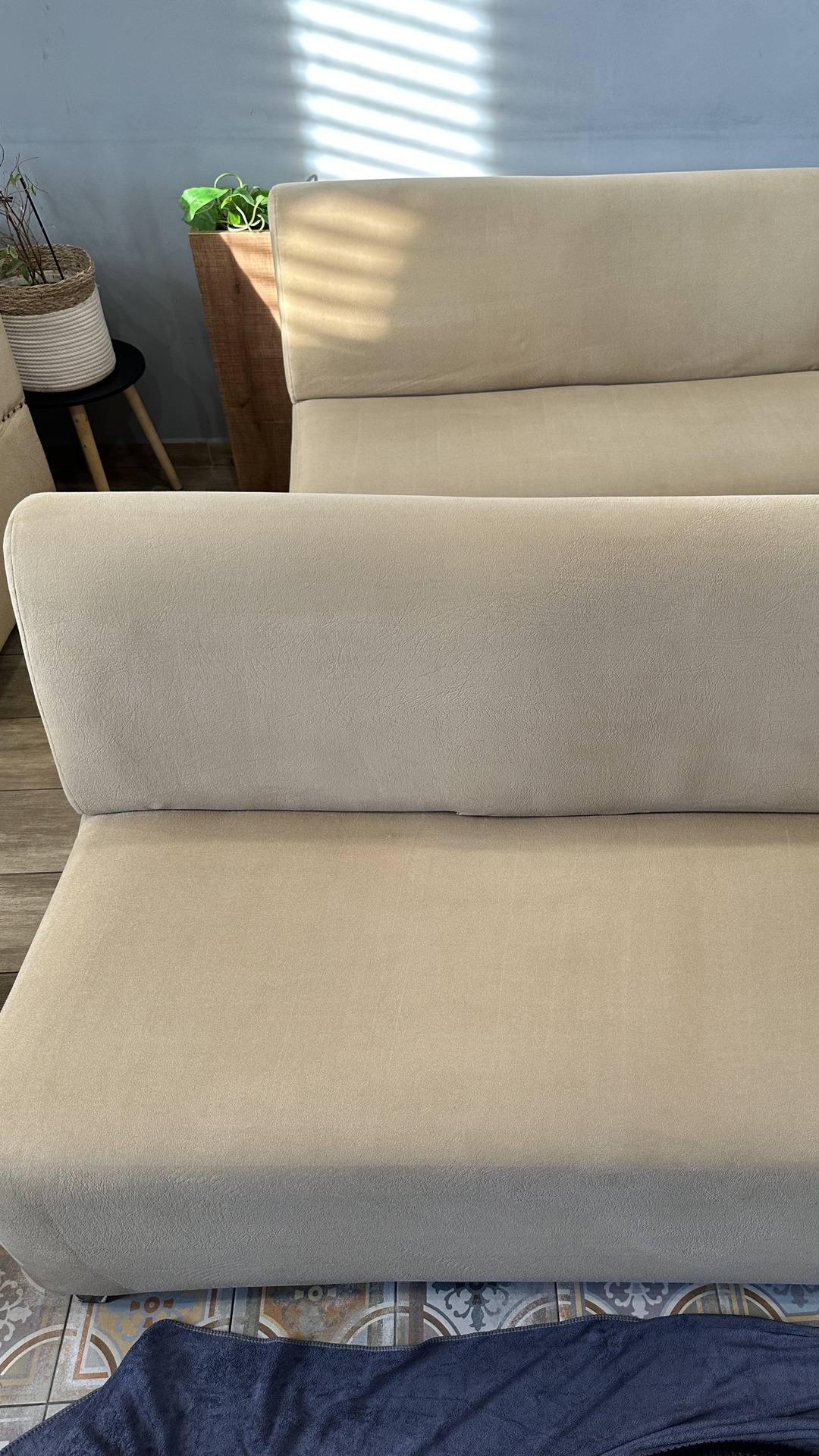
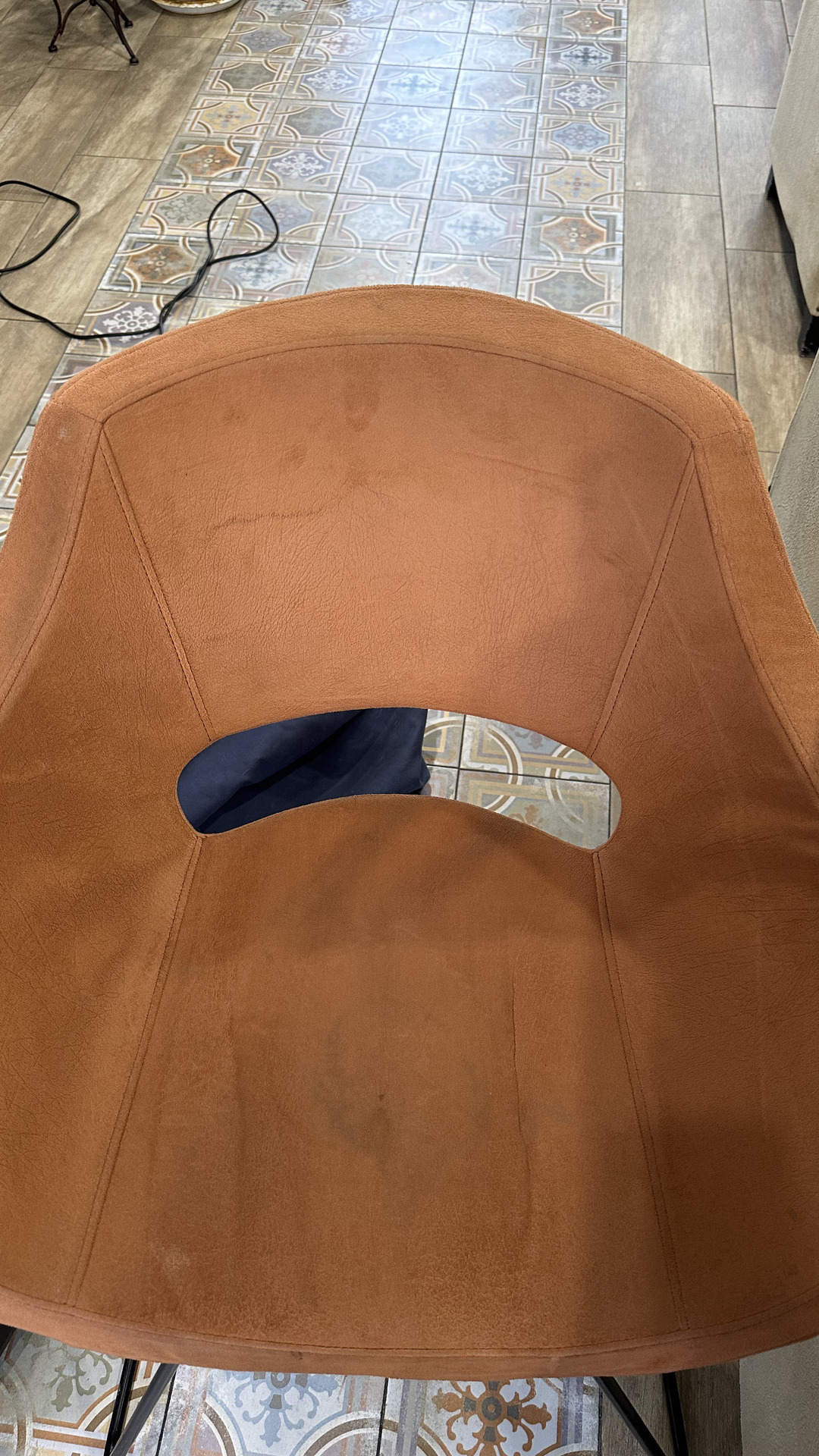
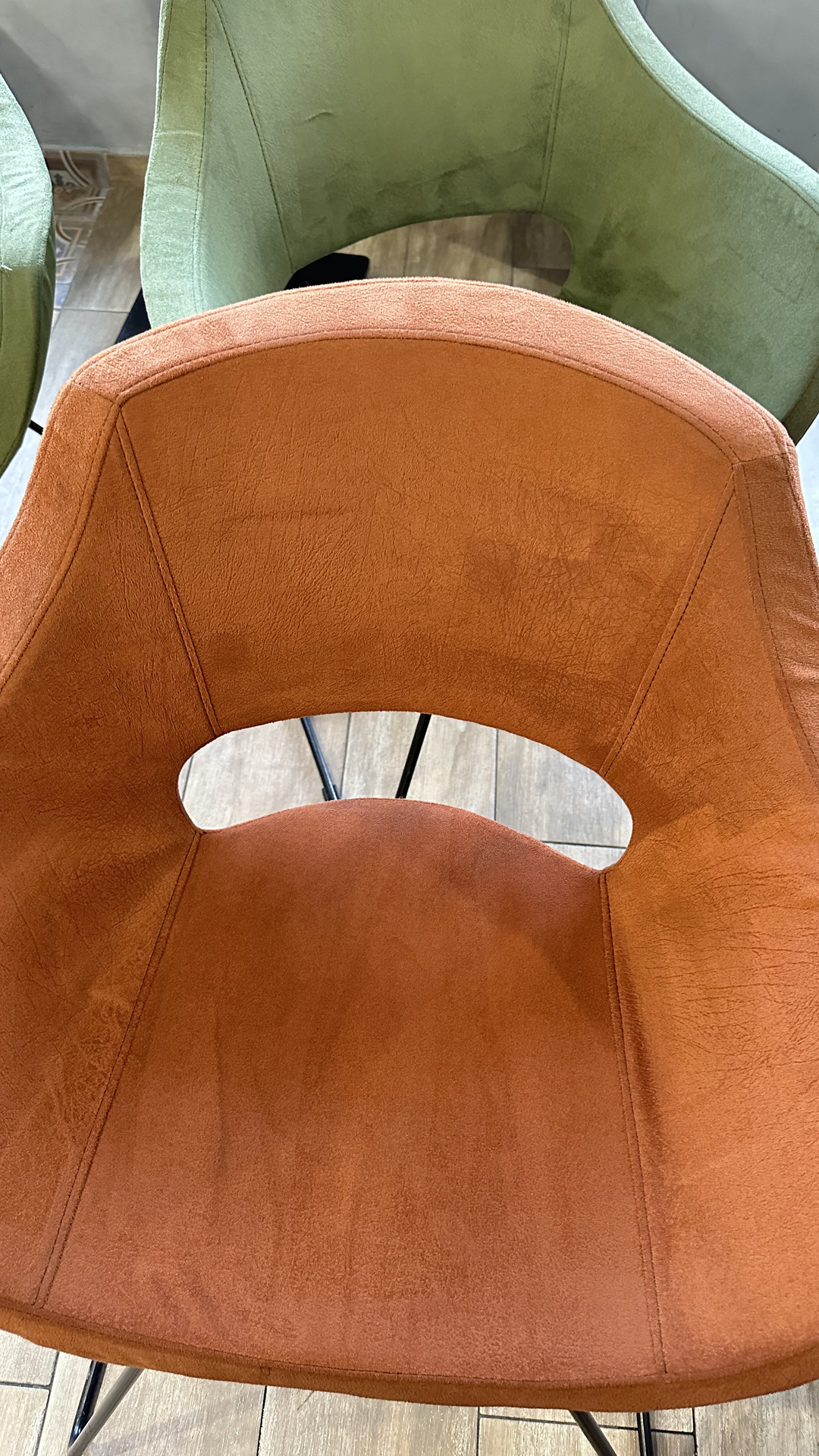
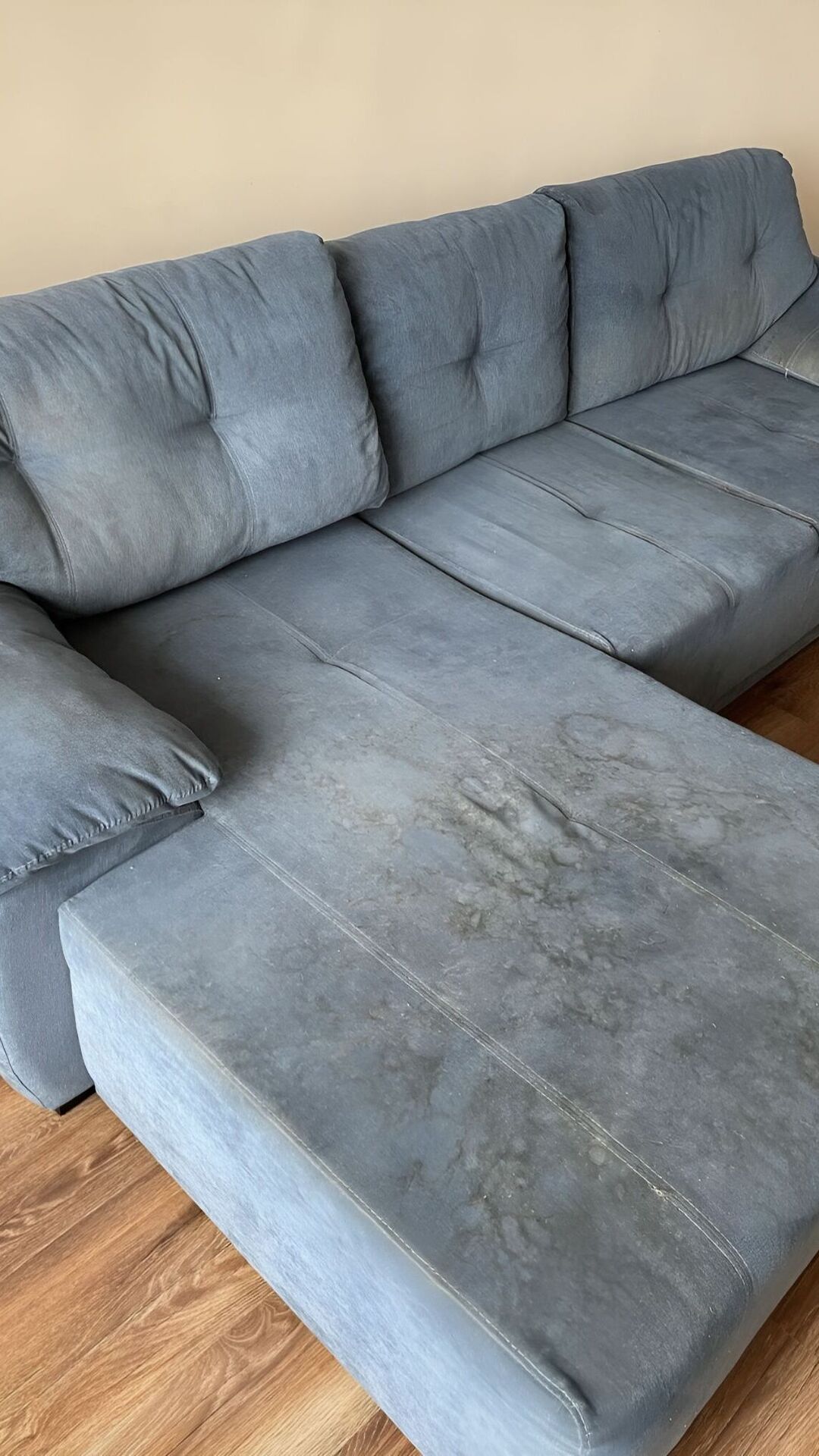
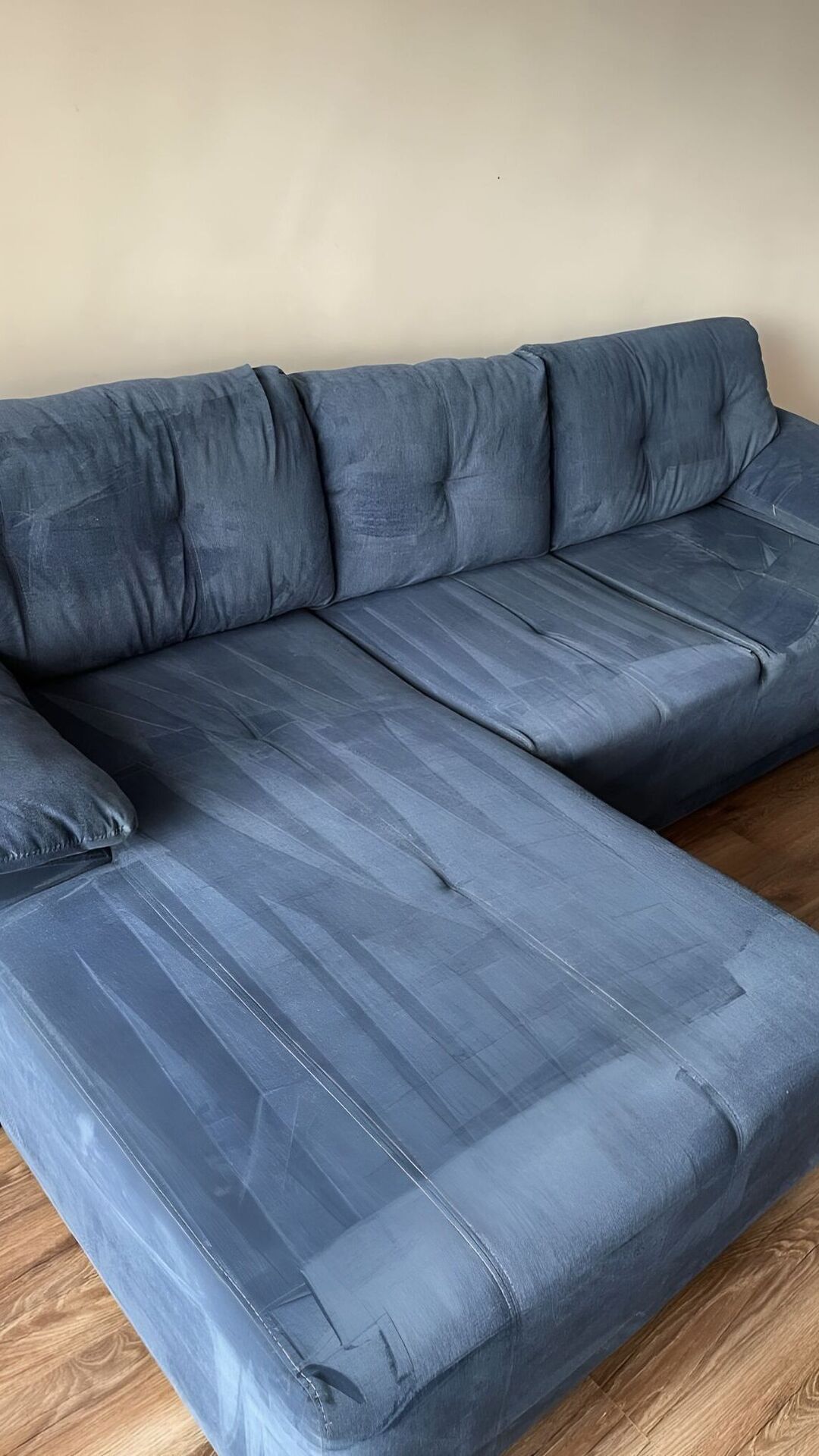
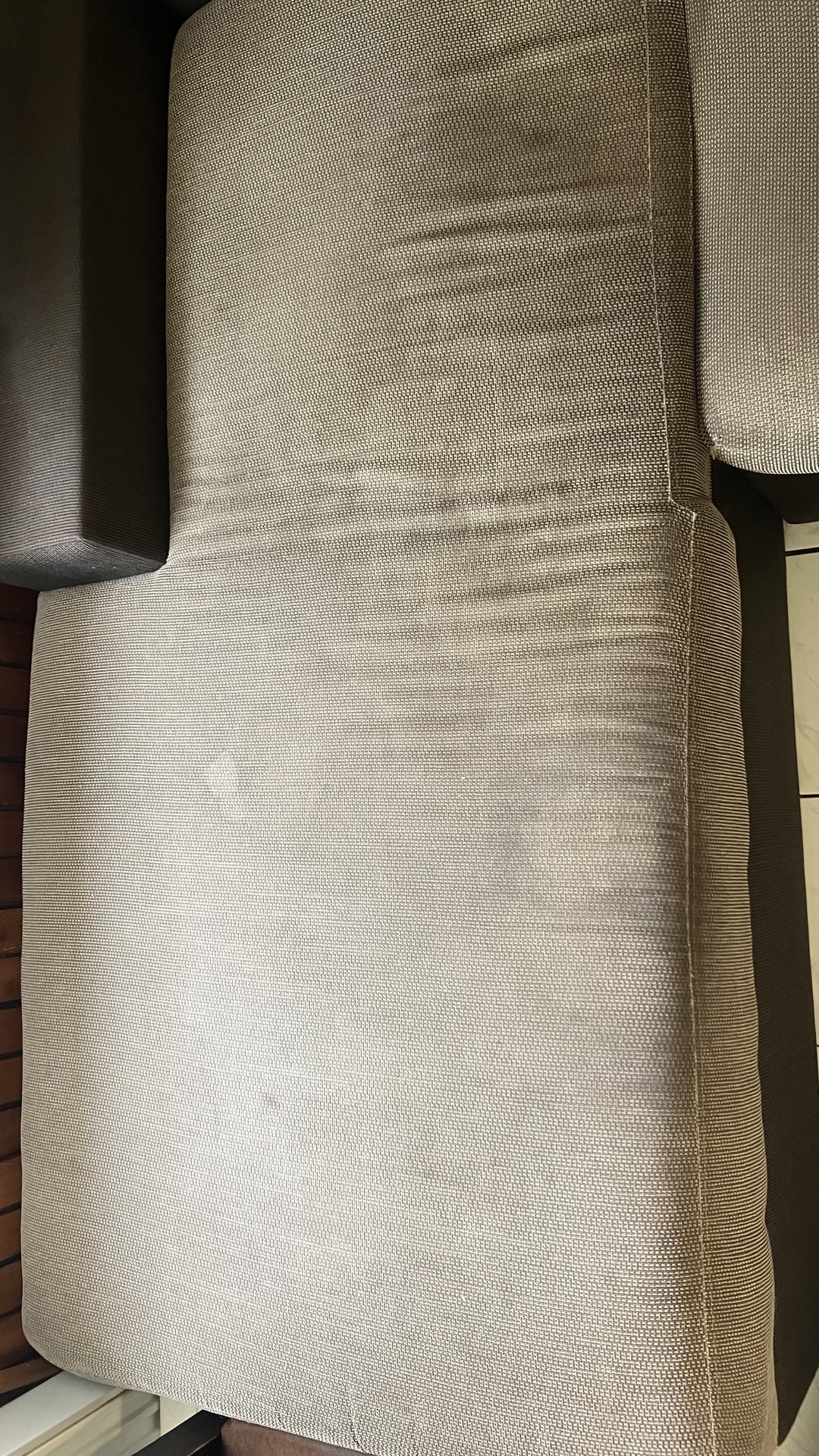
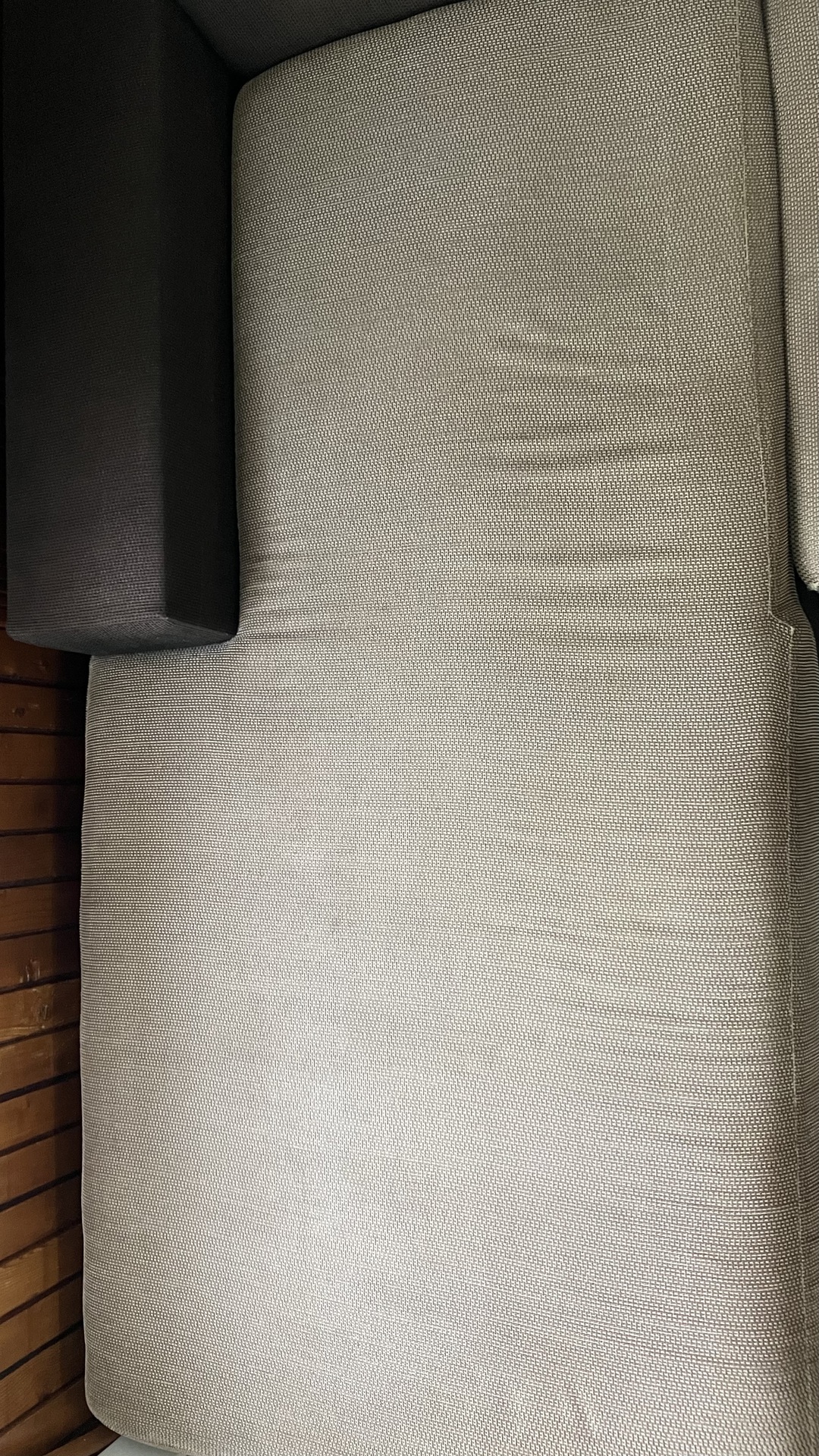



Benefits beyond aesthetics: longevity, health, comfort
Professional upholstery cleaning yields multiple benefits:
- Aesthetic renewal Restores colour, removes grime and reduces obvious signs of wear.
- Extended lifespan By removing abrasive dust and corrosive residues that damage fibres, regular cleaning delays fabric deterioration and reduces the need for replacement.
- Improved indoor air quality Extracting embedded dust and allergen reservoirs reduces re-suspension of particles, supporting a fresher environment.
- Odour removal Eliminating the biological sources of smells rather than masking them leads to lasting freshness.
- Comfort and well-being Clean, dry upholstery feels better to use and contributes to the perceived cleanliness of the home.
Viewed as an investment, periodic professional cleaning is cost-effective when compared with earlier replacement due to neglect or irreversible damage.
How professional upholstery cleaning works (step-by-step)
A professional upholstery cleaning job typically follows a sequence of carefully controlled steps. Each step is designed to protect the fabric, maximize contaminant extraction and minimize residual moisture.
- Initial assessment and inspection Visual inspection to identify fabric type, construction, removable parts, seams, piping and areas of heavy soiling. Check manufacturer labels and care codes (W, S, W/S, X) to guide method selection. Assess stains, odours and any fabric damage. Discuss concerns with the client.
- Vacuuming and mechanical agitation Thorough vacuuming with upholstery tools to remove loose surface dirt and dust. Mechanical agitation (soft brushes) may be used to loosen embedded particles in textured or piled fabrics, taking care not to damage fibres.
- Colour fastness and material testing Spot-testing in an inconspicuous area ensures the chosen detergent and technique do not cause bleeding, colour change or fibre damage. A pH-appropriate product is selected based on the fabric and nature of the soil.
- Pre-treatment of stains and heavily soiled areas Enzymatic or targeted chemistry is applied to breakdown proteins, oils, greases and pigments. Dwell time is controlled to allow penetration without over-saturation.
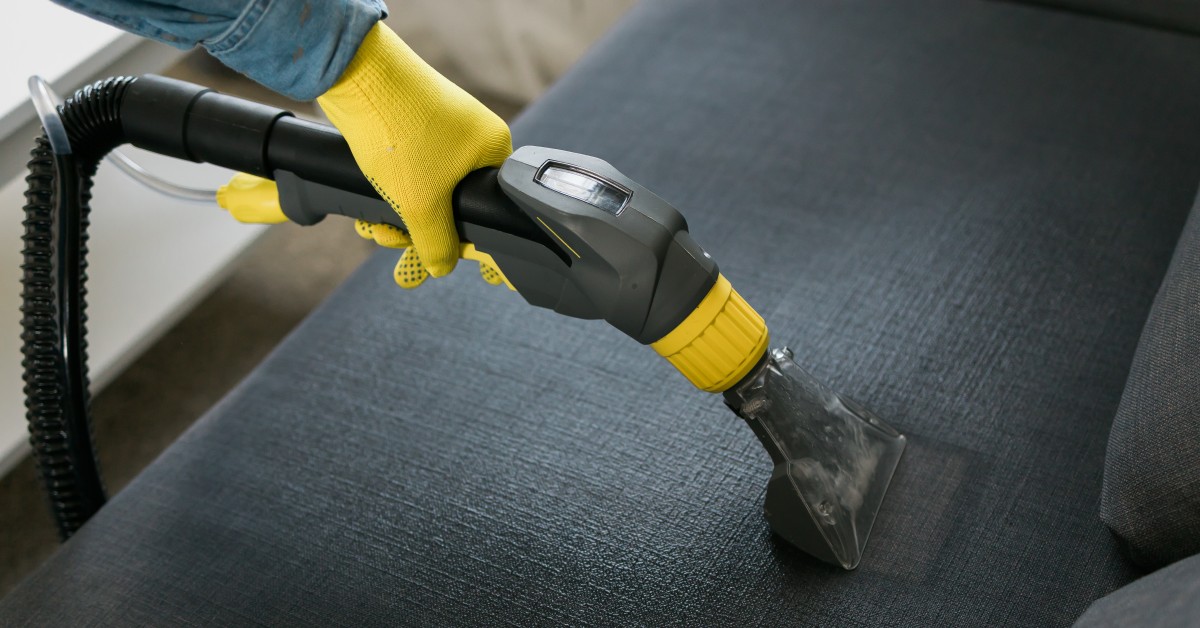
- Injection-extraction (hot water extraction / spray-and-extract) A controlled volume of warm water mixed with professional cleaning agent is injected into the fabric and immediately extracted with high-vacuum suction. This process removes dissolved soils from the fibre and the filling rather than simply wetting the surface. The aim is to use as little moisture as necessary to perform effective extraction and facilitate rapid drying.
- Supplemental steam or controlled heat where appropriate High-temperature steam can assist in breaking down fatty soils and reducing microbial load. It is used selectively where fabric type and testing permit. Steam is applied in controlled amounts and never as a substitute for extraction where moisture retention would be problematic.
- Targeted stain work and deodorization Persistent stains receive additional targeted intervention (solvent-based or oxidizing treatments as appropriate). Odour-neutralizing agents are used to eliminate the biochemical sources of smell rather than masking them.
- Residue rinsing and final extraction A rinse cycle may be performed to remove detergent residues that could attract rapid re-soiling if left behind. Final extraction emphasizes drying to reduce residual moisture in the filling.
- Drying and post-treatment care Air movers and controlled ventilation speed up drying. The goal is usually to achieve surface-dryness within hours and internal dryness within a day, depending on conditions. Fabric grooming (nap restoration) and repositioning of cushions are performed to return the piece to a ready state.
- Quality check and client walkthrough Inspect cleaned areas side-by-side with untreated sections if applicable. Discuss any limitations with the client, such as permanent stains or previously damaged fibres.
Each of these steps contributes to an outcome that balances cleanliness, fabric safety and drying speed. Proper sequencing, controlled chemistry and skilled extraction are what distinguish professional work from ad-hoc household cleaning.
Frequently Asked Questions
What is the price?
Each company sets its own prices. For the first time in Domestina, companies are in direct competition, their offers are visible on one screen. This enables users to get the best deal for the work they need.
Does the weather have to be warm to book the service?
Absolutely not necessary. After treatment, the surfaces remain slightly moist and dry out in a matter of hours depending on how dirty the upholstery was. Of course, in warm weather, the upholstery will dry out a bit faster, but it's only a matter of a few hours difference.
How long does it take for the upholstery to dry?
The drying time depends on the fabric type, the level of dirt, and room ventilation, but in most cases, upholstery dries within 6 to 12 hours after cleaning. If needed, you can speed up the drying process by increasing air circulation, such as by opening windows or using fans.
How to select a cleaning company?
Domestina marks the best choice for your cleaning with the Recommended Choice badge. Based on multiple criteria that are an expression of persistency, professionalism and expertise and cost, the platform identifies the best choice for your cleaning.
Can all types of upholstery be cleaned?
Yes, most types of upholstery fabrics can be cleaned using professional equipment, including delicate materials like velvet or silk. However, it’s essential to communicate any specific fabric care instructions or concerns with the cleaning company when booking. They will adjust their approach accordingly to ensure safe and effective cleaning.
Is stain removal included in the service?
Yes, stain removal is part of the standard service. The professional equipment used by Domestina's cleaning companies is designed to treat common stains from food, drinks, and pets.
Do all stains disappear?
Although our technology is among the best, there are so-called 'permanent damages' — when the stain has altered the structure or color of the fiber itself (for example, hair dye or bleach). In 90% of the remaining cases, the result is complete removal.
Is the cleaning safe for pets?
Yes. Our methods are entirely safe. It is only important to restrict pets' access to the furniture until it dries completely, to avoid them tracking in dust with their paws.
Can leather be washed?
Yes, Domestina offers specialized cleaning for genuine leather as well, but the method is manual and involves professional conditioning balms rather than extraction.
How often should you hire upholstery cleaning?
The ideal frequency varies depending on use, environment, and fabric composition. However, it is recommended to perform a complete upholstery cleaning at least twice a year to keep it in optimal condition.
- Rooms with pets or small children – higher risk of stains, hair, and allergens. Upholstery cleaning is recommended every 4–6 months to maintain hygiene and prevent premature wear.
- Allergy or asthma sufferers - fibers accumulate mites and dust, which worsen symptoms. Professional cleaning every three months, ideally with steam cleaning, improves indoor air quality.
- High-traffic environments - frequent contact creates visible dirt and unpleasant odors. Scheduling cleaning of armchairs or chairs every 1 to 2 months is essential to maintain their appearance and hygiene.
- After renovations, moving, or prolonged disuse – construction dust or accumulated moisture requires intensive cleaning. Our in-home upholstery cleaning service allows you to restore fabrics without moving the furniture.
The role of upholstery in home life
Upholstery acts as the heart of many living spaces. Sofas, armchairs, ottomans and dining-room upholstered chairs are sites of daily activities: sitting, eating, snacking, napping and socializing. As such, they receive repeated mechanical stress and contact with skin oils, sweat, cosmetics, food and drink.
Over time this routine use leads to:
- Surface soiling and visible stains on high-contact areas (seats, armrests, headrests).
- Deeper accumulation in the fabric and filling particles that are not removed with simple surface cleaning.
- Gradual loss of the original texture, resilience and colour of the fabric as oils and dirt alter fibre behaviour.
Beyond aesthetics, upholstery is an active component of your indoor micro-environment. Soft surfaces tend to trap particulate matter that otherwise would circulate in the air, and they provide a habitat for organic residues and microbes when moisture is present. Because upholstery is porous, dirt that appears superficial is often embedded in the deeper layers, where it can remain and be re-suspended during movement or cleaning attempts that merely smear the residue.
Professional cleaning addresses both surface and sub-surface contamination. Properly executed, it restores visual appearance, removes baked-in soils, and extracts residues that degrade fabrics and retain odours. Equally important, it reduces the reservoir of allergens and biological material that can affect indoor air quality and occupant comfort, particularly in households with children, older adults or people with respiratory sensitivity.
What accumulates inside upholstery and why it matters
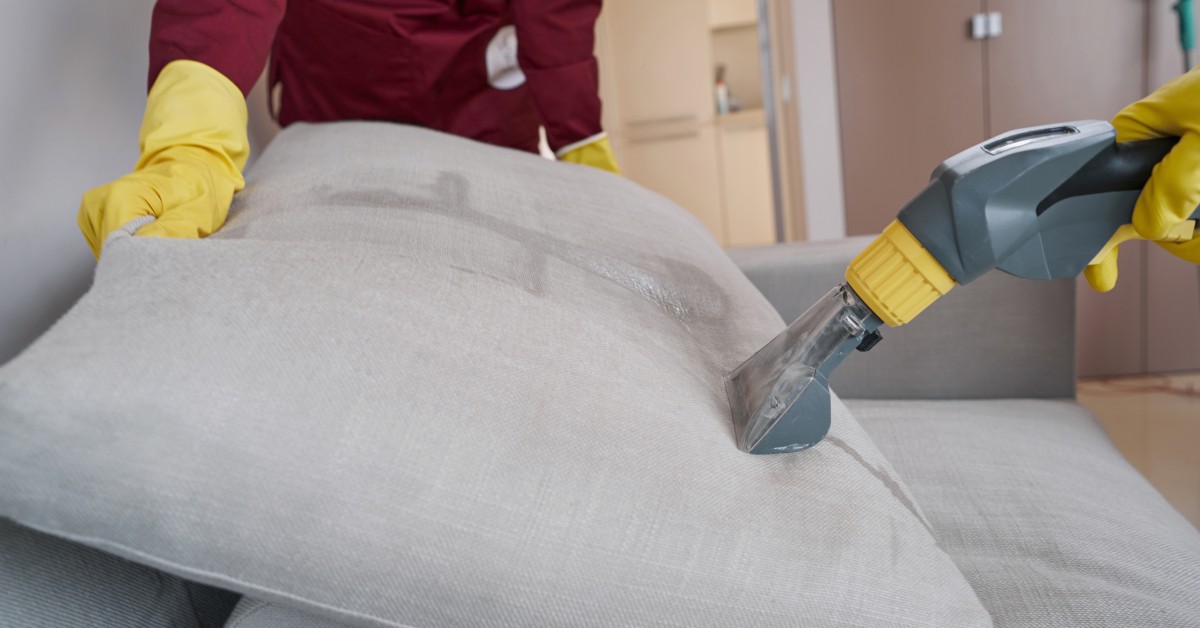
Understanding what is inside your upholstery clarifies why professional cleaning matters. Typical contaminants include:
- Dust and fine particulates Home dust is a complex mix of textile fibers, dead skin cells, soil particles from outdoors, and microscopic debris. Soft furnishings trap a substantial portion of this dust.
- Human body residues Sweat, sebum (skin oils), cosmetic residues and food traces are continually transferred to fabrics. These organic residues can discolor textiles and act as food for microbes.
- Pet-related matter Hair, dander and traces of urine or feces from pets are common in family homes. Pet dander contains potent allergens and can become embedded deep in fibres.
- Food and beverage residues Sugars, oils and pigments from coffee, wine, sauces and everyday snacks create stains and feed biological activity when not fully removed.
- Biological spores and microbes Where moisture persists or drying is incomplete, spore-forming organisms and bacteria may colonize fabric and filling, contributing to odours and potential health concerns.
Why this is important:
- Visual deterioration soiling and stains reduce the fabric's appearance and perceived value.
- Structural effects oils and residues can stiffen fibres or cause embrittlement over time, shortening the service life of the furniture.
- Odours organic residues decomposing in the depth of the filling release volatile organic compounds that are perceived as stale or unpleasant smells.
- Health impact embedded allergens and dust mite waste are associated with allergic symptoms, particularly in sensitized individuals.
Because these materials sit below the surface, superficial cleaning (vacuum, wipe, scented sprays) often fails to remove the root cause. Scented sprays mask odours, while some DIY treatments can push contaminants deeper or leave residues that promote faster re-soiling. Professional methods target extraction and neutralization, not masking.
Health and indoor air quality: allergens, dust mites and moisture
Dust mites and associated allergens are a major reason to pay attention to upholstery hygiene. Dust mites thrive in environments with moderate temperatures (roughly 20–25°C) and relative humidity above about 50%. Upholstery offers porous structure, steady microclimate and a steady supply of food (dead skin cells) — ideal conditions for mites to persist.
Health concerns linked to upholstery contaminants include:
- Allergic rhinitis (sneezing, nasal congestion, itchy/watery eyes).
- Exacerbation of asthma symptoms (wheezing, coughing, shortness of breath), particularly in children.
- Chronic cough or throat irritation due to particulate exposure or persistent odours.
Public health guidance emphasizes moisture control as a primary preventive measure. Maintaining indoor relative humidity within a recommended range reduces the likelihood of mould and mite proliferation. Equally, reducing the reservoir of allergens through routine cleaning lowers background exposure.
Professional cleaning contributes to indoor health management by:
- Extracting dust mite allergens and reducing their concentration in fabrics.
- Removing organic food sources that sustain microbial growth.
- Reducing odour-producing microbial activity through proper extraction and targeted treatments.
Note: professional cleaning is a supportive measure — not a medical cure. It should be combined with good ventilation, humidity control and appropriate medical care for individuals with diagnosed allergies or asthma.
Main cleaning technologies and when they are used
Common professional technologies include:
- Injection-extraction (hot water extraction / spray-and-extract) The most widely used method for fabric upholstery. A measured cleaning solution is injected and then immediately vacuumed out, extracting dirt from the fabric and filling. Best for water-safe fabrics labeled "W" or "W/S" with controlled moisture.
- Low-moisture or dry cleaning Solvent-based or minimal-water systems are used for water-sensitive fabrics ("S" codes) and delicate materials. They avoid wetting the filling but require careful selection of solvents approved for upholstery and indoor use.
- Steam-assisted cleaning Hot steam helps dissolve greasy residues and can reduce microbial load. Used as a supplement to extraction when fabrics tolerate heat and moisture.
- Spot-specific solvent or oxidizer treatments For certain stains (inks, dyes, tannins), professional solvents or controlled oxidizers are used in targeted fashion.
- Hand-cleaning and leather care Leather requires manual cleaning with specialized cleaners and conditioners to maintain suppleness and protective coatings. No injection-extraction.
Selection criteria:
- Manufacturer care code.
- Fabric composition (natural vs synthetic; pile vs smooth weave).
- Age and condition of the upholstery.
- Type and age of stains.
- Customer priorities (speed of drying, eco-friendly chemistry).
A properly trained technician will select the most effective and safest method after testing.
Choosing the right method for each fabric type
Fabrics differ by fibre type, weave, pile and finish. Matching cleaning chemistry and technique to the fabric is essential.
Natural fibres (cotton, linen, wool)
Characteristics: breathable; absorbent; may shrink or change hand with excessive moisture or alkaline cleaners. Recommendations: gentle, pH-neutral detergents; controlled moisture injection-extraction; thorough rinsing and careful drying. For wool and other protein fibres, avoid high-alkali cleaners and aggressive mechanical action. Wool-safe products and trained handling preserve loft and softness.
Synthetics (polyester, nylon, microfiber, acrylic)
Characteristics: generally durable, stain-resistant, but may hold oils and require correct pH to emulsify greases. Microfibers often show oil staining and require agitation to remove. Recommendations: use detergents formulated for synthetics and ensure full extraction to prevent sticky residues that attract soil.
Blended fabrics
Characteristics: mixed properties depending on the blend ratio. A conservative approach is to treat according to the most sensitive fibre. Recommendations: test cleaning response and choose mild chemistry and extraction parameters.
Velvet, chenille, pile and plush (e.g., suede-like finishes)
Characteristics: nap or pile that can be crushed or change direction; sensitive to abrasion and watermarks. Recommendations: light agitation, minimal moisture, careful brushing and nap grooming. Avoid vigorous scrubbing; spot-clean by professional methods.
Leather and faux leather (PU/PVC)
Characteristics: non-textile; susceptible to drying and cracking if harsh detergents are used. Faux leather can delaminate under heat. Recommendations: leather is cleaned manually with pH-balanced cleaners and conditioners; no injection-extraction. Faux leather requires mild cleaning and avoidance of strong solvents.
Delicate luxury fibres (silk, cashmere)
Characteristics: highly sensitive to water, heat and mechanical action. Recommendations: often require professional dry-cleaning methods or specialized gentle processes. Many service providers will refer expensive delicate pieces to restoration specialists.
Understanding care codes (W, S, W/S, X):
- W: Water-based cleaning is safe; injection-extraction is commonly used.
- S: Solvent-based cleaning recommended; avoid water-based extraction.
- W/S: Either water-based or solvent-based cleaning acceptable; testing required.
- X: Vacuum-only; professional wet or solvent cleaning could damage the fabric.
A correct match between fabric and method ensures effective soil removal with minimal risk of damage, colour change or textural alteration.
Stain removal: practical guidance by stain type
Stain removal success depends on speed of action, stain chemistry and the substrate. Below are practical steps and guidance for common stain types. When in doubt, contact professionals rather than risking DIY damage.
General immediate actions (first aid for stains)
- Blot, do not rub — blotting removes surface liquid without pushing it deeper.
- Work from the outside of a stain toward the centre to prevent spreading.
- Avoid heat (hot water) for protein-based stains (blood, sweat) as it can set them.
- Do not apply household bleach or strong oxidizers without professional advice.
Wine and coffee
Nature: tannins and pigments. DIY first step: blot excess, then apply a mild detergent solution (if fabric allows) or blot with distilled water. Avoid rubbing. Professional: targeted pre-treatment with tannin-removing agents followed by extraction. Older stains may require oxidizing treatments performed with caution.
Grease, oil and food fats
Nature: lipids that repel water. DIY: blot excess oil; sprinkle absorbent powder (cornstarch or baking soda) to draw oil out, then vacuum. Avoid water alone. Professional: solvent-based or specialized enzyme emulsifiers applied to dissolve and extract fat, followed by thorough rinsing.
Blood and other protein stains
Nature: proteinaceous and heat-sensitive. DIY: cold water blotting; enzyme cleaner (if appropriate) can help. Do not use hot water. Professional: enzyme pre-treatment and extraction, with controlled agitation and temperature.
Pet accidents (urine, feces)
Nature: organic, odour-causing; strong enzymatic action required. DIY: remove solids, blot liquids, use enzymatic cleaner to neutralize proteins and uric acid. Prevent scrubbing which spreads residue. Professional: thorough enzymatic treatment plus extraction and odour-neutralizing agents to remove both visible and hidden residues within filling.
Ink and marker stains
Nature: dyes soluble in specific solvents. DIY: solvent can work (isopropyl alcohol) but test first. Avoid spreading. Professional: specialized solvent spotters and careful rinsing; some ink stains may be permanent if dye bonded to fibre.
Makeup and cosmetics (oils, pigments)
Nature: mix of oils and coloured pigments. Professional: combined solvent and water-based pre-treatment to address both pigment and oil components.
Mud and soil
Nature: water-soluble mineral soils plus organic stains. DIY: allow mud to dry, vacuum, then pre-treat with detergent and extract. Professional: mechanical agitation and extraction, with attention to pigment transfer.
Mold and musty odours
Nature: spore growth due to moisture. Professional: removal of spores and organic matter with extraction and targeted biocidal or anti-microbial treatment when necessary; always ensure thorough drying to prevent recurrence.
Time and fabric condition influence outcomes: old or chemically-fixed stains may be irreversible because the fibre itself has been chemically altered. Professionals will advise on realistic expectations after inspection.
Pre- and post-service practical tips for homeowners
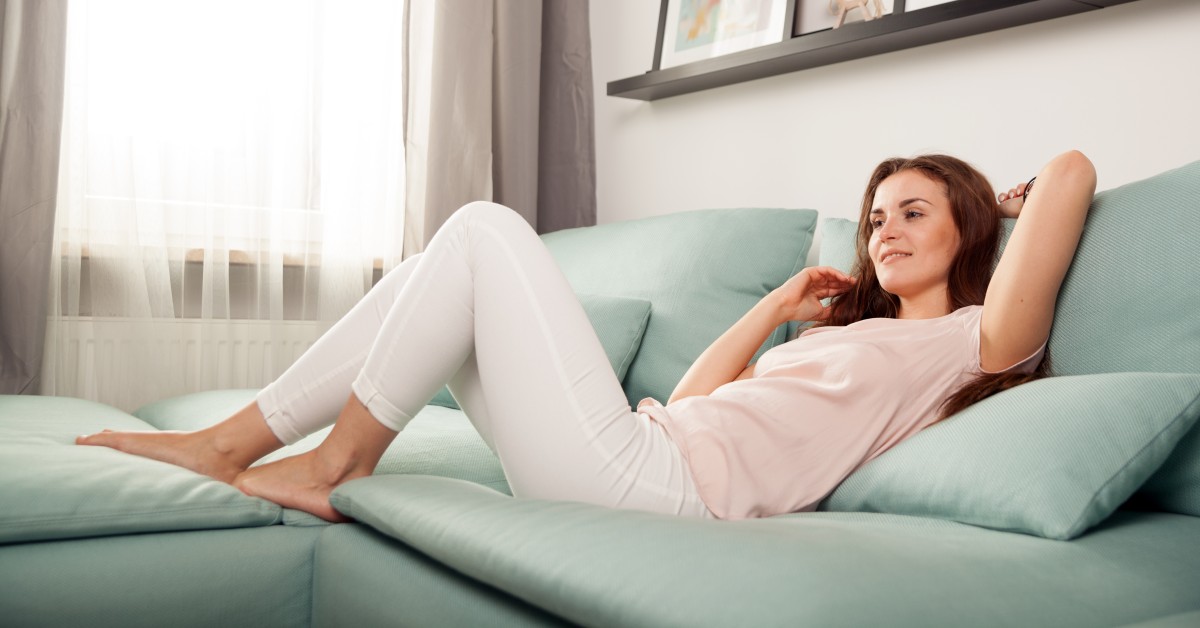
Preparing for a professional cleaning and following a few aftercare steps increases efficacy and protects results.
Before the service
- Clear the area: remove breakables, lightweight items and obstructions around the furniture.
- Remove loose cushions and decorative items unless instructed otherwise. Many cleaners will clean cushions in place, but confirm expectations.
- Note any delicate features or repairs, and inform the technician of location of stains, pet behaviour, or access issues.
- If pets are present, confine them during the visit to ensure safety and avoid interference.
During and immediately after
- Allow the technicians to perform the initial inspection and test they require. This ensures safe and correct cleaning.
- Ensure adequate ventilation during and after cleaning to accelerate drying.
- Keep pets and children away from wet furniture until dry to prevent re-soiling and to protect them from equipment.
Aftercare
- Protect results with preventative habits: use throws or washable covers for high-traffic seating; encourage no-food/no-drink rules if desired.
- Vacuum regularly with an upholstery attachment to maintain surface cleanliness; this delays deep clean frequency.
- If a fabric protector is applied, follow care guidance: avoid abrasive cleaning, and reapply protector as recommended.
Combined with scheduled professional cleaning, these small steps help preserve appearance and hygiene over time.
How often to have upholstery cleaned (guidelines)
Cleaning frequency depends on use, occupant sensitivity and presence of pets or children. General guidelines:
- Light-use household (single occupant, low traffic) professionally clean every 12–24 months.
- Family home with regular use at least once every 12 months.
- Homes with pets, young children or residents with allergies/asthma every 6–12 months.
- High-traffic commercial settings (waiting rooms, hospitality) quarterly to semi-annually depending on intensity.
These are starting points. Visible soiling, persistent odours or allergy symptoms indicate cleaning sooner. Regular professional cleaning combined with routine vacuuming and humidity control will preserve fabrics and reduce the need for intensive restorative interventions.
How to choose a professional provider — what to ask
Choosing a reputable cleaner protects your furniture and your home. Use this checklist:
- Credentials and training Look for providers whose technicians are trained in upholstery standards (IICRC or equivalent) and who follow material-specific guidelines.
- Equipment and methods Ask what cleaning systems are used (injection-extraction, low-moisture, steam-assisted) and why they are chosen. Modern high-vacuum extraction units and air movers help shorten drying time and improve extraction.
- Chemicals and safety Inquire about detergents and odor-control products. Prefer biodegradable, low-residue chemistries labelled as safe for children and pets when possible.
- Insurance and guarantees Confirm liability insurance and any service guarantees for satisfaction and damage protection.
- References and reviews Check recent customer reviews and ask for references if desired. Photos of before/after work are helpful.
- Transparent pricing A professional provider will explain what is included and what constitutes an extra charge (e.g., heavy restoration, irreparable stains). Domestina, for example, provides a fixed price at booking and completes work on-site without furniture removal when possible.
- On-site testing and communication Reputable cleaners perform spot tests and communicate realistic expectations about stain removal and fabric response.
Ask these key questions when requesting a quote:
- Which method will you use for my fabric type and why?
- Are your products safe for children and pets?
- What drying time should I expect?
- Do you provide a written estimate and a satisfaction guarantee?
Choosing a provider who combines technical knowledge, appropriate equipment and clear communication yields the best outcomes.
What to expect from Domestina's upholstery cleaning service
Domestina's upholstery cleaning service is designed to deliver deep, material-safe cleaning performed on-site. Typical features based on the service description include:
- On-site execution No need to transport furniture — technicians clean the piece in your home, avoiding dismantling risks and aligning with convenience.
- Injection-extraction base method A measured cleaning solution is injected and vacuumed back, extracting soils rather than pushing them deeper. This minimizes moisture in the filling and speeds drying.
- Material-specific detergents Specialists select pH-appropriate and biodegradable products matched to the upholstery fibre to avoid damage.
- Controlled use of steam Steam is used selectively to assist removal of greasy soils and to improve hygiene when fabric tolerance allows.
- Targeted stain treatment Stains are pre-treated based on their chemistry (protein, oil, dye), and technicians test treatments for colourfastness before proceeding.
- Odour neutralization and allergen reduction Treatments aim to eliminate the biological sources of odour and to reduce allergen load through deep extraction.
- Minimal disruption and quick turnaround The approach focuses on achieving effective cleaning with minimal drying time so you can resume normal use quickly.
- Fixed price at booking and transparent scope Domestina provides clarity in pricing at the point of booking, and service is completed at your location without moving furniture unless explicitly required.
Clients can expect a professional inspection, clear communication about what results are realistic (especially for old or chemically-stained fabrics), and follow-up advice for maintenance and drying.


 WORK
WORK